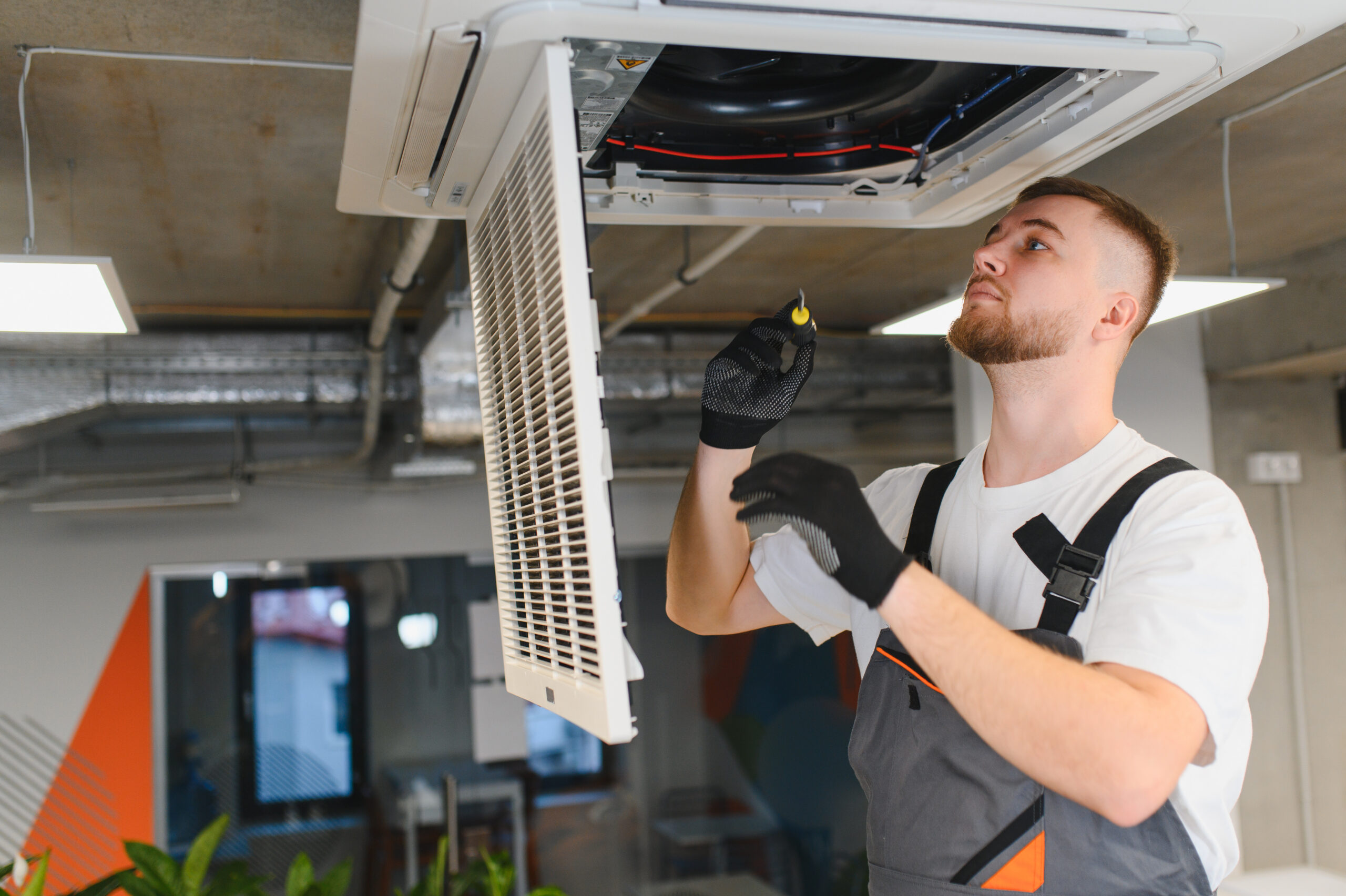
As summer temperatures rise, commercial HVAC systems face increased strain from longer operating hours, higher cooling demands, and aging infrastructure. For facility managers and building owners overseeing multiple properties, even a single HVAC failure can create operational disruptions, tenant complaints, and costly emergency HVAC repair situations.
That’s why spring and early summer are critical times for preventative commercial HVAC maintenance. A proactive strategy can help improve energy efficiency, extend equipment lifespan, reduce downtime, and support long-term capital planning across commercial portfolios.
Why Peak Cooling Season Creates HVAC Risks
Commercial HVAC systems work hardest during summer months, especially in facilities with high occupancy levels or sensitive operational requirements.
Common summer HVAC challenges include:
- Increased energy consumption
- Equipment strain and overheating
- Reduced airflow performance
- Refrigerant issues
- Emergency system failures
For healthcare facilities, schools, retail centers, industrial buildings, and office properties, HVAC performance directly impacts occupant comfort, indoor air quality, and operational continuity.
Key Areas Facility Managers Should Inspect
Spring HVAC inspections help identify issues before systems operate under full summer demand.
Airflow and Filter Performance
Restricted airflow forces HVAC systems to work harder and consume more energy. Facility teams should:
- Replace air filters
- Inspect ductwork
- Verify airflow balance
- Check ventilation performance
Poor airflow can also contribute to inconsistent temperatures and indoor air quality concerns.
Rooftop Units and Mechanical Components
Rooftop systems are constantly exposed to heat, debris, and severe weather conditions. Be sure to inspect:
- Condenser coils
- Motors and belts
- Electrical connections
- Drainage systems
- Thermostat calibration
Addressing wear-and-tear early can help prevent unexpected failures during heat waves.
Refrigerant and Cooling Efficiency
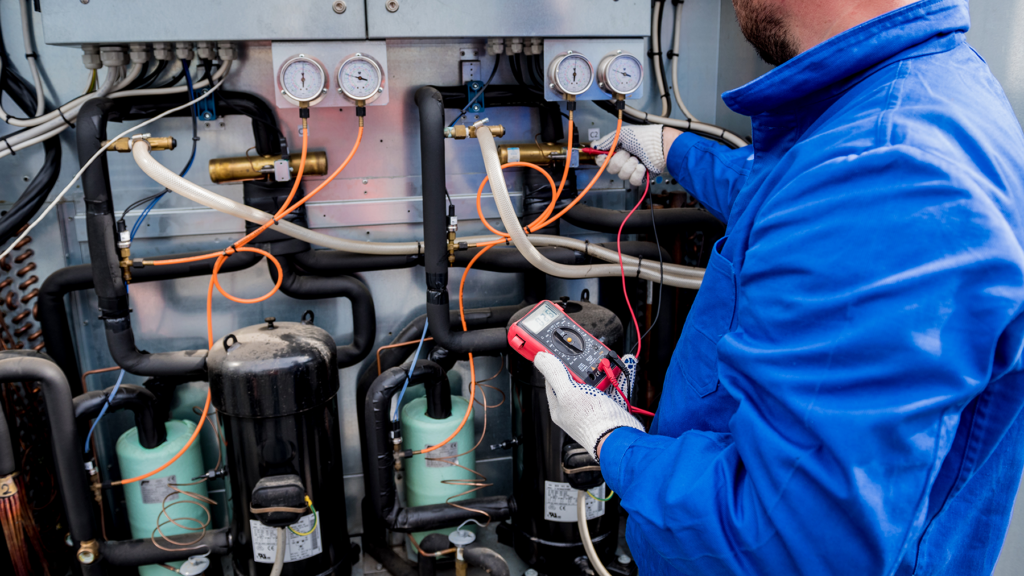
Low refrigerant levels reduce system performance and increase operational strain. HVAC technicians should evaluate:
- Cooling capacity
- Refrigerant charge levels
- Leak detection
- Compressor performance
Preventative servicing improves efficiency while helping reduce utility costs.
Preventative Maintenance Supports Long-Term Cost Control
Routine commercial HVAC maintenance helps organizations reduce reactive spending and improve operational predictability.
Key benefits include:
- Reduced emergency HVAC repair costs
- Improved energy efficiency
- Extended equipment lifespan
- Better occupant comfort
- More accurate capital forecasting
For multi-site facilities, preventative maintenance also helps standardize operational performance across properties.
Many organizations are also evaluating HVAC retrofit opportunities to improve efficiency and support sustainability and ESG initiatives.
Examples include:
- Smart thermostats
- Energy-efficient rooftop units
- Building automation systems
- Variable frequency drives (VFDs)
These upgrades can help lower energy consumption while improving system reliability.
Smart HVAC Technology Is Changing Facility Management
Modern commercial HVAC management is becoming increasingly data driven.
Building automation systems and predictive maintenance tools allow facility teams to monitor:
- Energy usage
- Equipment runtime
- Temperature fluctuations
- Humidity levels
- System performance trends
These technologies help identify issues earlier and reduce reactive maintenance.
For facilities managing multiple locations, centralized HVAC visibility improves operational consistency and supports better long-term planning.
What Facility Managers Should Review Before Summer
Commercial HVAC Checklist
✔ Replace air filters and inspect airflow
✔ Check refrigerant levels and cooling performance
✔ Inspect rooftop units and electrical components
✔ Clean coils and drainage systems
✔ Verify thermostat and building automation settings
✔ Schedule preventative HVAC inspections early
✔ Evaluate aging systems for retrofit or HVAC replacement planning
✔ Identify opportunities for energy-efficient upgrades
Final Thoughts
Peak cooling season can place significant stress on commercial HVAC systems, especially across large multi-site portfolios. Without proactive maintenance, small issues can quickly escalate into costly repairs, operational disruptions, and reduced occupant comfort.
Preventative commercial HVAC maintenance helps facility managers reduce operational risk, improve energy efficiency, extend equipment lifespan, and support smarter long-term budgeting decisions.
AirConnect helps commercial facilities nationwide improve HVAC performance through preventative maintenance, HVAC repair, retrofit planning, and long-term operational support designed to improve reliability and efficiency.
Connect with us today to keep your facilities HVAC system operating at peak efficiency!
Call us at (877) 942-5613
Or email info@airconnectusa.com