Keeping your commercial HVAC system running efficiently starts long before something goes wrong. For facility managers and business owners, preventative HVAC maintenance is one of the most effective ways to reduce unexpected breakdowns, control operating costs, and extend the lifespan of critical heating and cooling equipment.
Commercial HVAC systems work hard year-round to maintain comfortable indoor environments, protect sensitive equipment, and support daily business operations. Without regular maintenance, even minor issues can develop into costly repairs, unexpected downtime, and premature equipment failure.
At AirConnect, we understand that proactive maintenance is about more than keeping equipment operational. It’s about protecting your investment, improving system performance, and ensuring your facility is prepared for whatever the season brings.
Here’s why planning ahead with preventative HVAC maintenance pays off in the long run.
1. Reduce Unexpected Breakdowns and Costly Repairs
One of the biggest advantages of preventative HVAC maintenance is identifying potential problems before they turn into major equipment failures.
Over time, commercial HVAC systems experience normal wear and tear. Components loosen, filters become clogged, electrical connections deteriorate, and mechanical parts begin to wear down. Without routine inspections, these small issues can go unnoticed until the system stops working.
Scheduled maintenance allows HVAC professionals to identify and address warning signs early, helping prevent unexpected disruptions.
Routine inspections can help identify:
Worn or damaged belts, bearings, and motors
Loose electrical connections and failing components
Refrigerant leaks or improper refrigerant levels
Clogged filters and restricted airflow
Dirty evaporator and condenser coils
Drainage issues and potential water damage
Unusual vibrations, noises, or performance changes
Addressing these issues early can help facilities avoid expensive emergency service calls and unplanned equipment replacements.
The Bottom Line: A planned service appointment is generally easier to budget for and schedule than an unexpected HVAC failure during peak operating hours.
2. Extend the Lifespan of Your HVAC Equipment
Commercial HVAC equipment represents a significant investment. Whether your facility relies on rooftop units, split systems, or larger centralized heating and cooling equipment, maximizing the useful life of these systems is essential to managing long-term facility costs.
Without proper maintenance, HVAC equipment may have to work harder to achieve the same heating or cooling results. This added strain can accelerate component wear and increase the likelihood of premature failure.
Preventative maintenance helps reduce unnecessary stress on critical components by keeping systems clean, properly adjusted, and operating as intended.
Regular equipment servicing may include:
Lubricating moving parts when required
Inspecting and adjusting belts and mechanical components
Cleaning coils and other heat-transfer surfaces
Testing electrical connections and controls
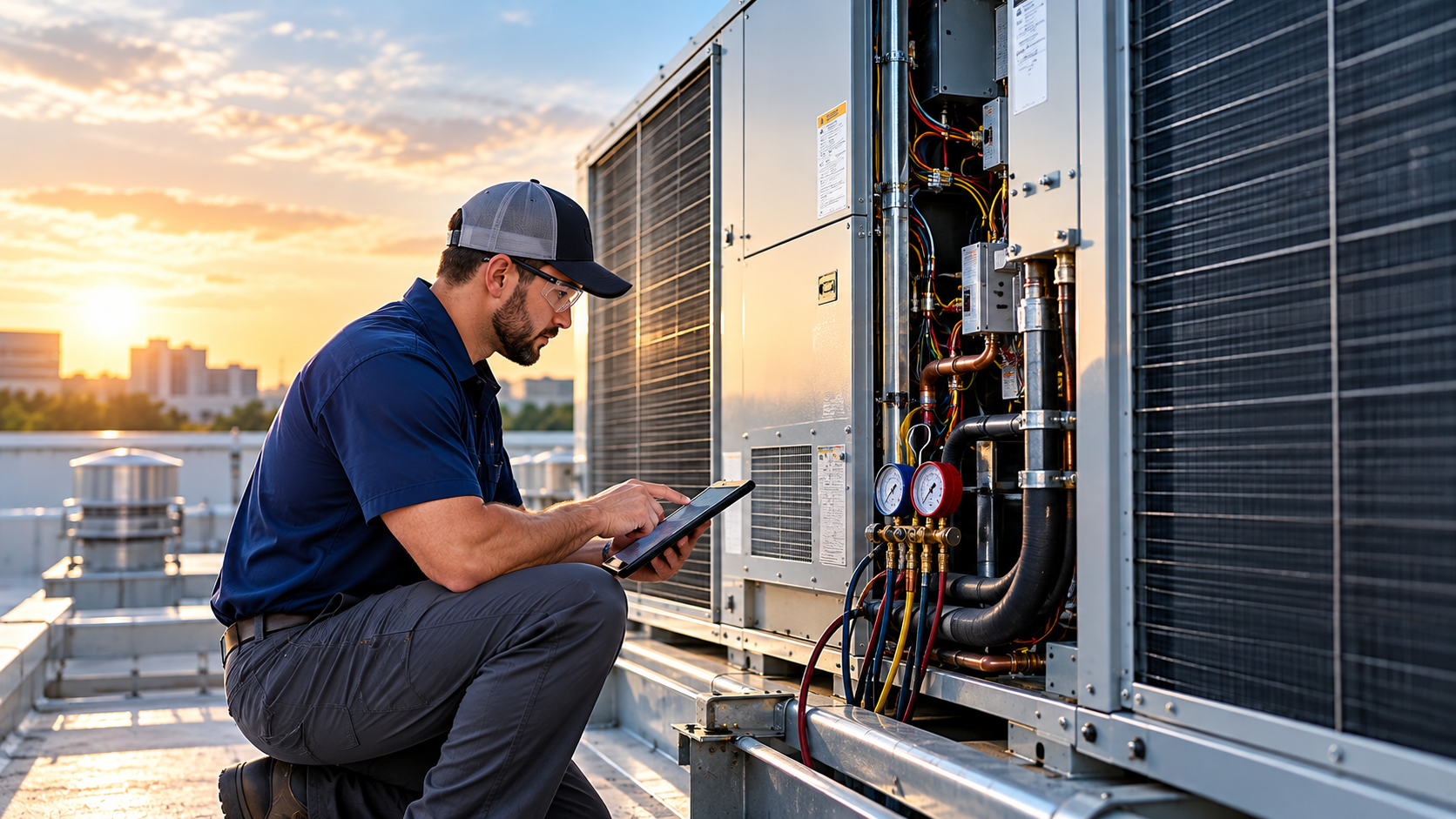
Checking refrigerant charge and system performance
Inspecting motors, fans, and compressors
Verifying proper airflow and system operation
When equipment receives consistent care, facility managers can often delay major capital expenditures and get more value from their existing HVAC investments.
The Bottom Line: Maintaining your HVAC equipment today can help protect your facility from the expense of replacing it sooner than necessary.
3. Improve Energy Efficiency and Lower Operating Costs
Heating, ventilation, and air conditioning systems can account for a substantial portion of a commercial building’s energy consumption. When equipment isn’t properly maintained, energy usage can increase without any noticeable improvement in indoor comfort.
Something as simple as a dirty air filter can restrict airflow, forcing the system to work harder to maintain desired temperatures. Dirty coils, malfunctioning controls, and worn mechanical components can also reduce operating efficiency.
Preventative maintenance helps HVAC systems perform closer to their intended efficiency levels.
Key maintenance tasks that support energy efficiency include:
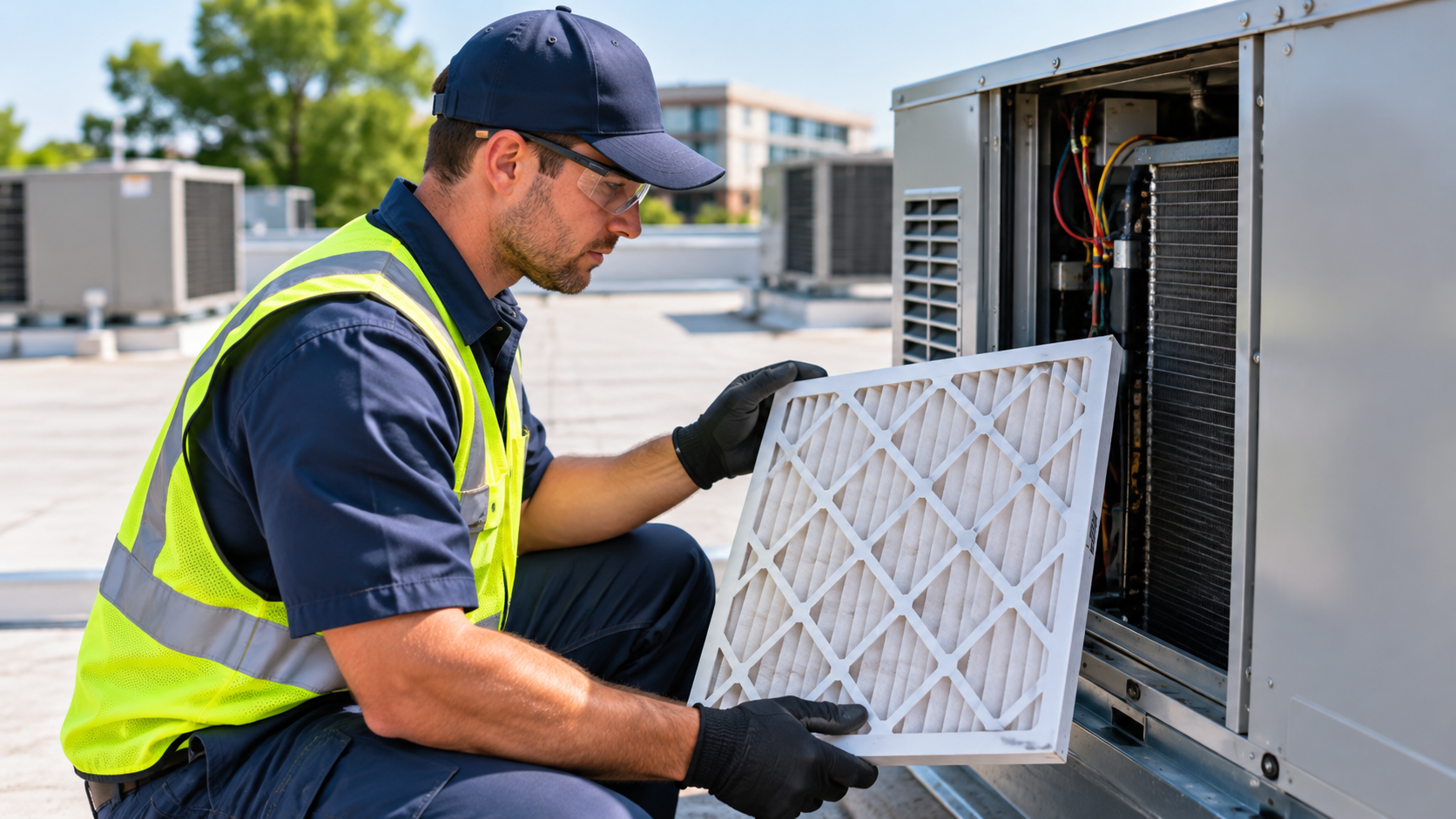
Replacing Air Filters: Clean filters promote proper airflow and help reduce unnecessary strain on system components.
Cleaning Coils: Removing dirt and debris allows heating and cooling equipment to transfer heat more effectively.
Inspecting Thermostats and Controls: Properly calibrated controls help systems operate according to building needs.
Checking Refrigerant Levels: Correct refrigerant charge supports efficient cooling performance.
Inspecting Airflow: Identifying restrictions and distribution problems helps maintain consistent system performance.
Even modest efficiency improvements can make a meaningful difference over time, particularly for facilities operating multiple HVAC units or managing properties across several locations.
The Bottom Line: A well-maintained HVAC system can consume less energy, helping businesses manage utility expenses and improve operational efficiency.
4. Improve Indoor Air Quality and Occupant Comfort
Commercial HVAC systems do more than regulate temperature. They also play an important role in maintaining indoor air quality and creating comfortable environments for employees, customers, and building occupants.
When HVAC maintenance is neglected, dirty filters, contaminated coils, and poor airflow can contribute to uncomfortable conditions and reduced indoor air quality.
Routine filter replacements and equipment inspections help support cleaner air circulation and consistent indoor temperatures throughout a facility.
Preventative maintenance can help address:
Excessive dust and airborne particles
Inconsistent temperatures between building areas
Poor ventilation and restricted airflow
Excess humidity and moisture-related concerns
Dirty coils and condensate drainage issues
Reduced filtration performance
Maintaining proper ventilation and filtration is particularly important for facilities such as healthcare buildings, educational institutions, retail environments, offices, and other high-occupancy commercial spaces.
The Bottom Line: A proactive HVAC maintenance program helps create a more comfortable and productive indoor environment while supporting healthier building operations.
5. Minimize Business Disruptions and Unplanned Downtime
An unexpected HVAC failure can create problems that extend far beyond uncomfortable indoor temperatures.
For commercial facilities, heating and cooling disruptions may affect employee productivity, customer experiences, temperature-sensitive products, and critical business operations.
In certain environments, such as data centers, healthcare facilities, and manufacturing operations, reliable HVAC performance is especially important.
Preventative maintenance gives facility managers greater control over when service takes place. Instead of reacting to emergencies, maintenance can be scheduled during less disruptive periods.
Planning ahead allows businesses to:
Schedule service around normal business operations
Identify equipment concerns before peak heating and cooling seasons
Coordinate repairs and replacement parts in advance
Reduce the likelihood of emergency shutdowns
Maintain more consistent temperatures and system performance
Improve operational reliability across multiple facilities
The Bottom Line: Planned maintenance helps keep your facility running smoothly and reduces the risk of HVAC issues interfering with daily operations.
6. Make HVAC Budgeting More Predictable
Unexpected HVAC repairs can quickly disrupt a facility’s maintenance budget. Emergency labor, replacement parts, and unplanned equipment purchases can create significant financial challenges, especially for businesses managing multiple properties.
A preventative maintenance program provides a more predictable approach to HVAC expenses by establishing a routine service schedule and identifying future repair or replacement needs.
Regular inspections also help facility managers better understand equipment conditions, allowing them to make informed decisions about repairs, upgrades, and long-term capital planning.
A proactive maintenance strategy can help with:
Establishing consistent annual maintenance budgets
Reducing unexpected emergency repair expenses
Identifying equipment nearing the end of its useful life
Planning future system replacements
Prioritizing repairs based on equipment condition
Improving long-term asset management
Rather than waiting for equipment to fail, businesses can make strategic decisions based on documented system performance and anticipated needs.
The Bottom Line: Preventative HVAC maintenance helps transform unpredictable repair expenses into a more manageable, long-term facility investment.
7. Prepare Your HVAC Systems for Seasonal Demands
Commercial HVAC systems face different challenges throughout the year. Summer heat places increased demand on cooling equipment, while winter temperatures require dependable heating performance.
Scheduling preventative maintenance before these seasonal transitions helps ensure equipment is ready to handle changing conditions.
Spring and Summer HVAC Maintenance Priorities:
Inspect and clean condenser and evaporator coils
Replace air filters
Check refrigerant levels and cooling performance
Inspect electrical components and connections
Test thermostats and control systems
Clear condensate drains and inspect drainage systems
Fall and Winter HVAC Maintenance Priorities:
Inspect heating components and heat exchangers
Test heating system operation and safety controls
Check electrical connections and mechanical components
Replace filters and inspect airflow
Inspect belts, motors, and fans
Verify thermostat settings and system controls
The appropriate maintenance schedule will depend on equipment type, operating hours, manufacturer recommendations, and facility conditions. Some commercial systems may require quarterly, monthly, or more frequent attention.
The Bottom Line: Seasonal maintenance helps reduce the risk of equipment failures when your facility needs reliable heating and cooling the most.
Preventative HVAC Maintenance Is an Investment in Your Facility
Waiting until something breaks may seem like a way to reduce maintenance expenses, but reactive HVAC management can lead to higher repair costs, inefficient equipment operation, and unexpected business disruptions.
A well-planned preventative maintenance program helps businesses take a more proactive approach to facility management by improving reliability, protecting equipment investments, and supporting long-term operational efficiency.
From routine inspections and filter replacements to comprehensive equipment servicing, every maintenance task contributes to the overall health and performance of your HVAC systems.
Plan Ahead with AirConnect
At AirConnect, we help commercial facilities stay ahead of HVAC challenges with dependable, professional maintenance and service solutions.
Our nationwide commercial HVAC capabilities include preventative maintenance, service and repair, equipment retrofits, special projects, energy-efficient upgrades, and indoor air quality solutions.
Whether you’re managing a single commercial property or a portfolio of facilities across multiple locations, our team can help you develop a proactive approach to HVAC maintenance that supports your operational needs and long-term goals.
Don’t wait for an unexpected breakdown to disrupt your business.
Contact AirConnect today to learn more about our preventative HVAC maintenance services and how we can help keep your facility operating efficiently, reliably, and comfortably throughout the year.
AirConnect — Reliable HVAC Solutions. Nationwide Service.
(877) 942-5613 airconnectusa.com