
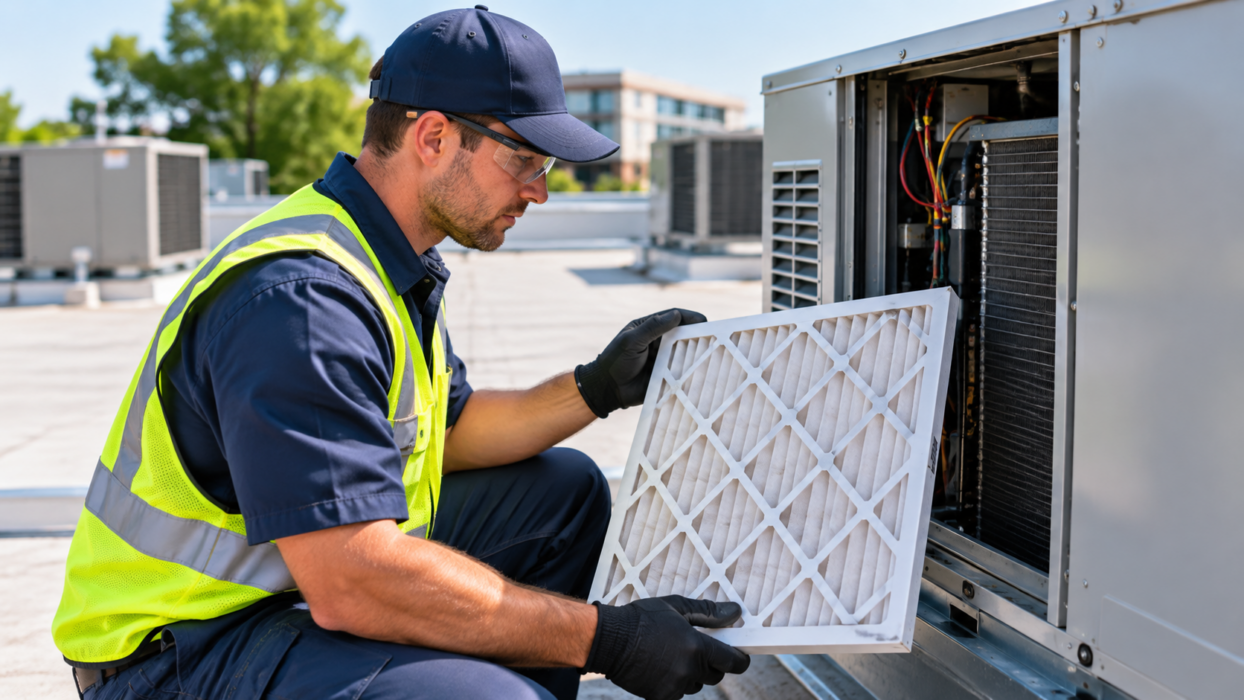
Preventative HVAC Maintenance: Why It Pays to Plan Ahead
Keeping your commercial HVAC system running efficiently starts long before something goes wrong. For facility managers and business owners, preventative HVAC maintenance is one of the most effective ways to reduce unexpected breakdowns, control operating costs, and extend the lifespan of critical heating and cooling equipment. Commercial HVAC systems work hard year-round to maintain comfortable indoor environments, protect sensitive equipment, and support daily business operations. Without regular maintenance, even minor issues can develop into costly repairs, unexpected downtime, and premature equipment failure. At AirConnect, we understand that proactive maintenance is about more than keeping equipment operational. It’s about protecting your investment, improving system performance, and ensuring your facility is prepared for whatever the season brings. Here’s why planning ahead with preventative HVAC maintenance pays off in the long run. 1. Reduce Unexpected Breakdowns and Costly Repairs One of the biggest advantages of preventative HVAC maintenance is identifying potential problems before they turn into major equipment failures. Over time, commercial HVAC systems experience normal wear and tear. Components loosen, filters become clogged, electrical connections deteriorate, and mechanical parts begin to wear down. Without routine inspections, these small issues can go unnoticed until the system stops working. Scheduled maintenance allows HVAC professionals to identify and address warning signs early, helping prevent unexpected disruptions. Routine inspections can help identify: Worn or damaged belts, bearings, and motors Loose electrical connections and failing components Refrigerant leaks or improper refrigerant levels Clogged filters and restricted airflow Dirty evaporator and condenser coils Drainage issues and potential water damage Unusual vibrations, noises, or performance changes Addressing these issues early can help facilities avoid expensive emergency service calls and unplanned equipment replacements. The Bottom Line: A planned service appointment is generally easier to budget for and schedule than an unexpected HVAC failure during peak operating hours. 2. Extend the Lifespan of Your HVAC Equipment Commercial HVAC equipment represents a significant investment. Whether your facility relies on rooftop units, split systems, or larger centralized heating and cooling equipment, maximizing the useful life of these systems is essential to managing long-term facility costs. Without proper maintenance, HVAC equipment may have to work harder to achieve the same heating or cooling results. This added strain can accelerate component wear and increase the likelihood of premature failure. Preventative maintenance helps reduce unnecessary stress on critical components by keeping systems clean, properly adjusted, and operating as intended. Regular equipment servicing may include: Lubricating moving parts when required Inspecting and adjusting belts and mechanical components Cleaning coils and other heat-transfer surfaces Testing electrical connections and controls Checking refrigerant charge and system performance Inspecting motors, fans, and compressors Verifying proper airflow and system operation When equipment receives consistent care, facility managers can often delay major capital expenditures and get more value from their existing HVAC investments. The Bottom Line: Maintaining your HVAC equipment today can help protect your facility from the expense of replacing it sooner than necessary. 3. Improve Energy Efficiency and Lower Operating Costs Heating, ventilation, and air conditioning systems can account for a substantial portion of a commercial building’s energy consumption. When equipment isn’t properly maintained, energy usage can increase without any noticeable improvement in indoor comfort. Something as simple as a dirty air filter can restrict airflow, forcing the system to work harder to maintain desired temperatures. Dirty coils, malfunctioning controls, and worn mechanical components can also reduce operating efficiency. Preventative maintenance helps HVAC systems perform closer to their intended efficiency levels. Key maintenance tasks that support energy efficiency include: Replacing Air Filters: Clean filters promote proper airflow and help reduce unnecessary strain on system components. Cleaning Coils: Removing dirt and debris allows heating and cooling equipment to transfer heat more effectively. Inspecting Thermostats and Controls: Properly calibrated controls help systems operate according to building needs. Checking Refrigerant Levels: Correct refrigerant charge supports efficient cooling performance. Inspecting Airflow: Identifying restrictions and distribution problems helps maintain consistent system performance. Even modest efficiency improvements can make a meaningful difference over time, particularly for facilities operating multiple HVAC units or managing properties across several locations. The Bottom Line: A well-maintained HVAC system can consume less energy, helping businesses manage utility expenses and improve operational efficiency. 4. Improve Indoor Air Quality and Occupant Comfort Commercial HVAC systems do more than regulate temperature. They also play an important role in maintaining indoor air quality and creating comfortable environments for employees, customers, and building occupants. When HVAC maintenance is neglected, dirty filters, contaminated coils, and poor airflow can contribute to uncomfortable conditions and reduced indoor air quality. Routine filter replacements and equipment inspections help support cleaner air circulation and consistent indoor temperatures throughout a facility. Preventative maintenance can help address: Excessive dust and airborne particles Inconsistent temperatures between building areas Poor ventilation and restricted airflow Excess humidity and moisture-related concerns Dirty coils and condensate drainage issues Reduced filtration performance Maintaining proper ventilation and filtration is particularly important for facilities such as healthcare buildings, educational institutions, retail environments, offices, and other high-occupancy commercial spaces. The Bottom Line: A proactive HVAC maintenance program helps create a more comfortable and productive indoor environment while supporting healthier building operations. 5. Minimize Business Disruptions and Unplanned Downtime An unexpected HVAC failure can create problems that extend far beyond uncomfortable indoor temperatures. For commercial facilities, heating and cooling disruptions may affect employee productivity, customer experiences, temperature-sensitive products, and critical business operations. In certain environments, such as data centers, healthcare facilities, and manufacturing operations, reliable HVAC performance is especially important. Preventative maintenance gives facility managers greater control over when service takes place. Instead of reacting to emergencies, maintenance can be scheduled during less disruptive periods. Planning ahead allows businesses to: Schedule service around normal business operations Identify equipment concerns before peak heating and cooling seasons Coordinate repairs and replacement parts in advance Reduce the likelihood of emergency shutdowns Maintain more consistent temperatures and system performance Improve operational reliability across multiple facilities The Bottom Line: Planned maintenance helps keep your facility running smoothly and reduces the risk of HVAC issues interfering with daily operations. 6.
Read More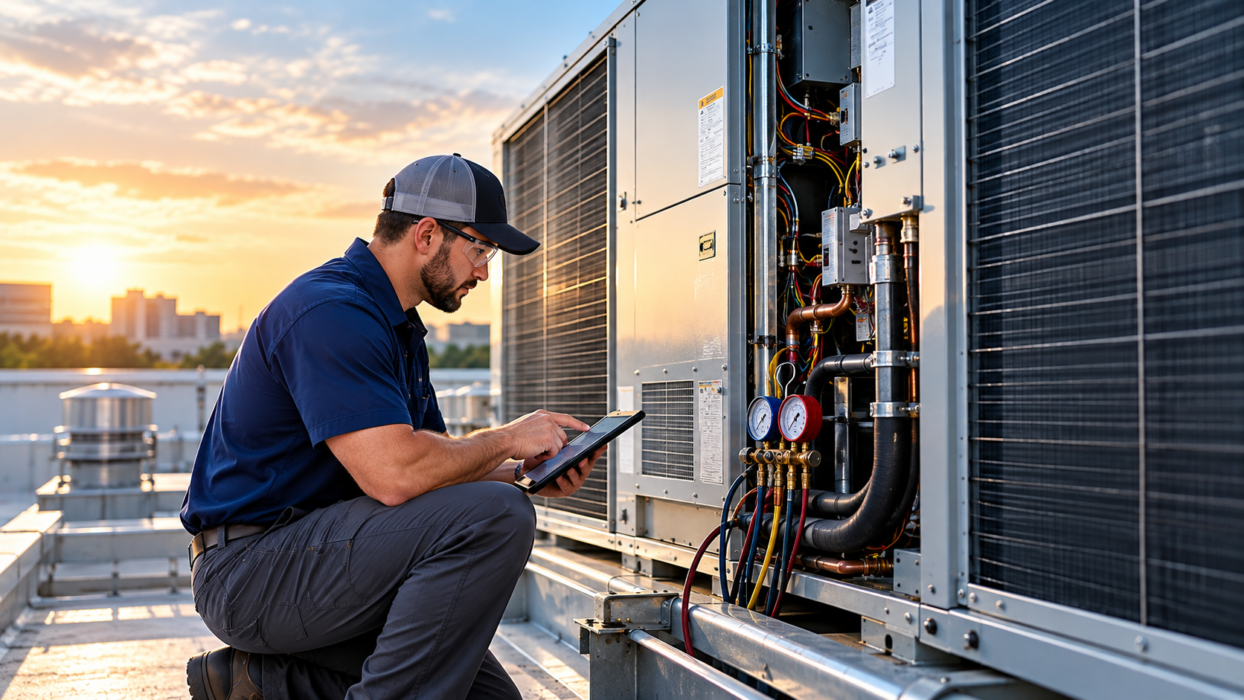
5 Warning Signs Your Commercial HVAC System Needs Professional Service
-
By lacklin
- In Facility Managers Featured
How to Identify HVAC Performance Problems Before They Lead to Costly Repairs and Unexpected Downtime A reliable commercial HVAC system is essential for maintaining comfortable indoor temperatures, supporting energy efficiency, and keeping your business operations running smoothly. From retail facilities and office buildings to healthcare properties and industrial environments, heating and cooling equipment plays an important role in everyday facility performance. But commercial HVAC systems don’t always fail without warning. In many cases, equipment begins showing signs of trouble long before a complete breakdown occurs. Changes in temperature, unusual operating sounds, increased energy consumption, and reduced airflow can all indicate that your system needs professional attention. For facility managers and property owners, identifying these warning signs early can make the difference between a manageable service appointment and an expensive emergency repair. At AirConnect, we help businesses across the country maintain dependable HVAC performance through professional maintenance, troubleshooting, repairs, and system improvements. Here are five warning signs that your commercial HVAC equipment may need service. 1. Your Building Has Uneven Heating or Cooling Does one section of your facility feel noticeably warmer or cooler than another? Are employees or tenants frequently adjusting thermostats to stay comfortable? Persistent temperature inconsistencies can indicate that your HVAC system is struggling to distribute conditioned air effectively. Several factors may contribute to uneven heating and cooling, including: Poorly balanced air distribution systems Malfunctioning thermostats or temperature sensors Restricted ductwork or blocked vents Dirty filters or coils Improperly functioning zoning controls HVAC equipment that is no longer meeting building demands Why You Shouldn’t Ignore It Temperature fluctuations can create uncomfortable working environments and place additional demands on your heating and cooling equipment. When a system runs longer or harder to maintain desired temperatures, energy consumption and component wear may increase. AirConnect’s Recommendation: Track recurring hot and cold spots throughout your building. A professional HVAC evaluation can help determine whether airflow adjustments, control system repairs, or equipment improvements are needed to restore consistent comfort. 2. Your HVAC Equipment Is Making Strange Noises Commercial HVAC systems produce normal operational sounds, but new or excessive noises may indicate developing mechanical problems. If your system suddenly begins rattling, squealing, grinding, or banging, it’s important to investigate the cause. Some common HVAC noises and their potential causes include: Rattling: Loose panels, hardware, or internal components Squealing: Worn belts, bearings, or motor-related problems Grinding: Mechanical wear or failing motor components Banging: Loose or damaged parts within the equipment Hissing: Possible air leakage or refrigerant-related issues Why You Shouldn’t Ignore It Unusual sounds can be early indicators of mechanical deterioration. Allowing equipment to continue operating with damaged components may result in additional wear, more extensive repairs, or unexpected system failure. AirConnect’s Recommendation: Report unfamiliar noises as soon as they occur. Scheduling a professional inspection can help identify the source of the sound and prevent minor mechanical problems from becoming larger maintenance issues. 3. Your Facility’s Energy Costs Keep Increasing If your monthly energy expenses are climbing without a clear explanation, your HVAC system could be contributing to the problem. Commercial heating and cooling equipment can account for a substantial portion of a building’s energy usage. When system components become dirty, worn, or inefficient, equipment may consume additional energy to maintain normal operating conditions. Potential HVAC-related causes of rising utility bills include: Clogged air filters Dirty evaporator or condenser coils Inefficient or aging equipment Improper thermostat settings Refrigerant system performance issues Malfunctioning controls or sensors Excessive equipment runtime Why You Shouldn’t Ignore It Even modest reductions in HVAC efficiency can contribute to higher operating expenses over time. Without proper maintenance, these inefficiencies may continue to worsen. AirConnect’s Recommendation: Regularly review energy consumption trends and compare utility costs with previous periods, accounting for changes in weather, occupancy, and operating schedules. A professional HVAC maintenance assessment can help uncover performance issues and identify opportunities to improve efficiency. 4. Airflow Is Weak or Inconsistent When your HVAC system is functioning properly, conditioned air should be distributed effectively throughout your commercial space. If certain rooms receive little airflow, vents seem unusually weak, or indoor temperatures take longer to stabilize, your system may be experiencing airflow restrictions. Common causes include: Dirty or improperly installed air filters Blocked supply or return vents Damaged or leaking ductwork Faulty blower motors or fans Improperly adjusted dampers Ventilation system malfunctions Why You Shouldn’t Ignore It Poor airflow can negatively affect indoor comfort, ventilation, and overall HVAC performance. Restricted airflow may also cause equipment to operate outside its intended conditions, potentially increasing wear and reducing efficiency. For businesses with specific ventilation or temperature requirements, maintaining proper airflow is especially important. AirConnect’s Recommendation: Make airflow inspections part of your facility’s preventive maintenance routine. Professional technicians can evaluate filters, fans, ductwork, and air distribution components to identify restrictions and restore proper operation. 5. You’re Scheduling HVAC Repairs More Frequently Every commercial HVAC system requires occasional service. However, repeated breakdowns, recurring performance issues, and increasingly frequent repair calls may indicate that your equipment needs more than a temporary fix. Warning signs of ongoing system trouble include: Repeated service calls for similar problems Frequent equipment shutdowns Short cycling or irregular operating patterns Difficulty maintaining thermostat settings Increasing repair expenses Equipment that struggles during peak heating or cooling seasons Why You Shouldn’t Ignore It Frequent HVAC failures can disrupt business operations, increase maintenance costs, and create uncertainty for facility managers. As equipment ages, the cost of continued repairs may eventually outweigh the benefits of maintaining an outdated system. AirConnect’s Recommendation: Evaluate your equipment’s age, repair history, energy performance, and overall condition. A professional HVAC assessment can help determine whether repairs, retrofits, or replacement options make the most financial and operational sense. How Preventive HVAC Maintenance Helps Protect Your Business Recognizing HVAC warning signs is an important part of facility management, but preventing problems before they occur is even better. A structured commercial HVAC preventive maintenance program helps identify developing issues, maintain system efficiency, and reduce the risk of unexpected equipment failures. Depending on your equipment and facility requirements, routine
Read More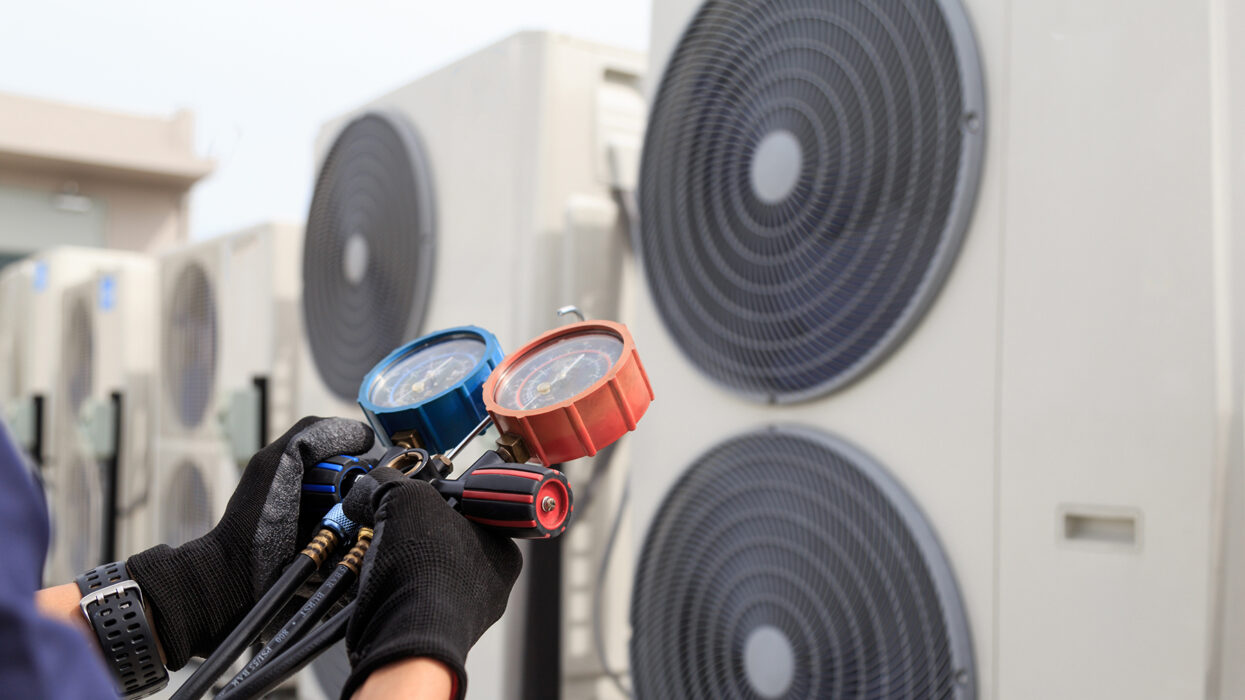
Spring Is in Full Swing: 5 Essential HVAC Considerations for Facility Managers
-
- In Facility Managers Multi-Site Facilities Seasonal Maintenance
Spring is in full swing and your HVAC system is about to take center stage. As temperatures rise and cooling demand increases, your system must be ready to perform efficiently and reliably. After months of winter operation, now is the time for facility managers and building owners to assess system health, address issues, and prepare for peak usage. Below are five essential HVAC considerations to prioritize this spring. 1. Perform a Seasonal System Inspection Winter operation can leave HVAC systems with wear and inefficiencies that go unnoticed until cooling demand spikes. A comprehensive spring inspection should include: Checking system performance and airflow Inspecting coils, motors, and electrical components Identifying signs of wear or potential failure Verifying thermostat accuracy and controls A proactive inspection ensures your system is ready before the first major heatwave hits. 2. Replace Filters and Improve Airflow Clogged or dirty filters restrict airflow, reduce efficiency, and strain your HVAC system, especially as usage increases in spring and summer. Key actions: Replace or clean air filters Inspect ductwork for blockages or leaks Ensure proper air flow throughout the building Improving airflow not only enhances system performance but also supports better indoor air quality for occupants. 3. Clean and Service Coils and Components Over time, dust, debris, and buildup accumulate on coils and internal components, reducing system efficiency and cooling capacity. Spring maintenance should include: Cleaning evaporator and condenser coils Inspecting and tightening electrical connections Lubricating moving parts where needed Routine servicing helps your system run more efficiently and reduces the risk of unexpected breakdowns. 4. Test Cooling Performance Before Peak Demand With warmer weather arriving, now is the time to ensure your system can handle increased demand. Facility managers should: Test cooling output and temperature consistency Check refrigerant levels and system pressures Ensure all zones are cooling properly Identifying and resolving performance issues now prevents emergency service calls during peak summer months. 5. Review Preventative Maintenance Plans and Energy Efficiency Spring is the ideal time to evaluate your HVAC strategy for the year ahead. A strong plan includes: Scheduled preventative maintenance visits Energy efficiency assessments and upgrades Budget forecasting for repairs or system replacement Portfolio-wide consistency across multiple locations Partnering with a national provider like AirConnect ensures reliable service, standardized reporting, and optimized system performance across your facilities. Final Thoughts With spring in full swing, preparing your HVAC system is essential to maintaining comfort, efficiency, and operational continuity. Addressing issues early helps avoid costly downtime and keeps your building running smoothly as temperatures climb. AirConnect delivers expert HVAC services, preventative maintenance programs, and nationwide support—helping facility managers stay ahead of seasonal demands. Don’t wait, reach out to AirConnect today! Call us at (877) 942-5613 Or email info@airconnectusa.com
Read More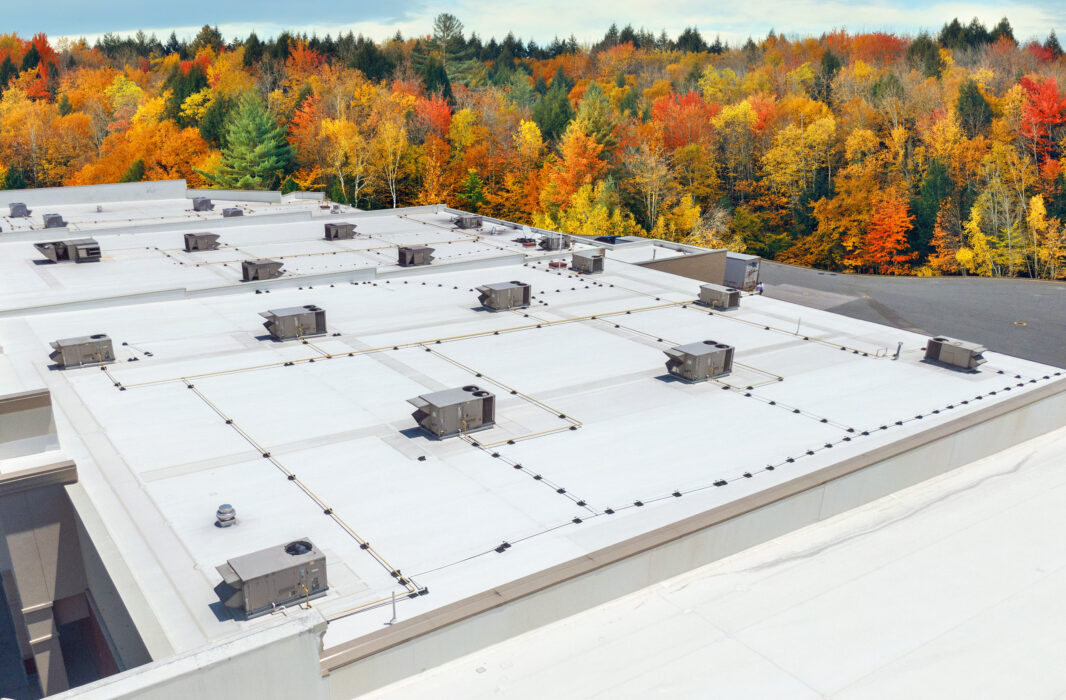
Top 3 Fall HVAC Priorities for Facility Managers
-
- In Facility Managers Seasonal Maintenance
As we prepare to move from summer to fall, facility managers have a valuable opportunity to prepare their HVAC systems for the colder months ahead. Taking the right steps now can prevent costly breakdowns, improve efficiency, and keep occupants comfortable. At AirConnect, we recommend facility managers focus on these three priorities: 1. Schedule Preventive Maintenance Fall is the ideal time to perform a full system check before heating demand rises. Preventive maintenance helps spot issues early and extends equipment life. Key tasks include: Inspecting and cleaning burners, heat exchangers, and ignition systems. Checking belts, motors, and bearings for wear. Replacing or cleaning air filters to ensure proper airflow. A small investment in maintenance now can prevent large repair bills later. 2. Improve Indoor Air Quality (IAQ) With more time spent indoors during the colder months, air quality matters more than ever. Facility managers should: Consider upgrading to high-efficiency air filters. Ensure ventilation systems are balanced for both fresh air and efficiency. Explore air purification solutions for added protection. Better IAQ supports occupant health, productivity, and comfort. 3. Optimize for Energy Efficiency Energy costs rise when the heating season begins, but smart strategies can help control expenses: Program thermostats around actual occupancy. Seal leaks in ductwork and inspect insulation. Review building automation settings for seasonal adjustments. Even small efficiency improvements can generate significant savings throughout fall and winter. Final Thoughts By prioritizing preventive maintenance, air quality, and energy efficiency, facility managers can ensure their buildings are ready for the seasonal shift. A proactive approach protects budgets, extends system life, and creates a healthier indoor environment. At AirConnect, we’re here to help you make the transition seamless. Reach out today to schedule your fall HVAC inspection and prepare your facility for the months ahead. Contact us to get started today!
Read More