
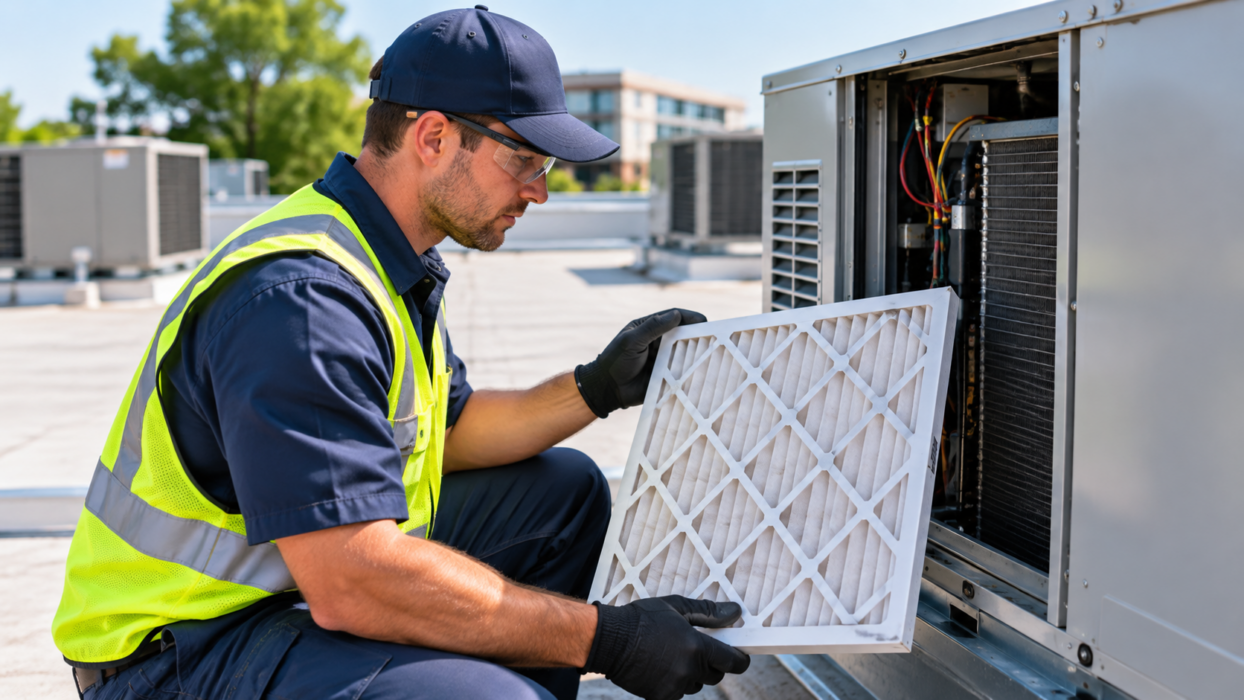
Preventative HVAC Maintenance: Why It Pays to Plan Ahead
Keeping your commercial HVAC system running efficiently starts long before something goes wrong. For facility managers and business owners, preventative HVAC maintenance is one of the most effective ways to reduce unexpected breakdowns, control operating costs, and extend the lifespan of critical heating and cooling equipment. Commercial HVAC systems work hard year-round to maintain comfortable indoor environments, protect sensitive equipment, and support daily business operations. Without regular maintenance, even minor issues can develop into costly repairs, unexpected downtime, and premature equipment failure. At AirConnect, we understand that proactive maintenance is about more than keeping equipment operational. It’s about protecting your investment, improving system performance, and ensuring your facility is prepared for whatever the season brings. Here’s why planning ahead with preventative HVAC maintenance pays off in the long run. 1. Reduce Unexpected Breakdowns and Costly Repairs One of the biggest advantages of preventative HVAC maintenance is identifying potential problems before they turn into major equipment failures. Over time, commercial HVAC systems experience normal wear and tear. Components loosen, filters become clogged, electrical connections deteriorate, and mechanical parts begin to wear down. Without routine inspections, these small issues can go unnoticed until the system stops working. Scheduled maintenance allows HVAC professionals to identify and address warning signs early, helping prevent unexpected disruptions. Routine inspections can help identify: Worn or damaged belts, bearings, and motors Loose electrical connections and failing components Refrigerant leaks or improper refrigerant levels Clogged filters and restricted airflow Dirty evaporator and condenser coils Drainage issues and potential water damage Unusual vibrations, noises, or performance changes Addressing these issues early can help facilities avoid expensive emergency service calls and unplanned equipment replacements. The Bottom Line: A planned service appointment is generally easier to budget for and schedule than an unexpected HVAC failure during peak operating hours. 2. Extend the Lifespan of Your HVAC Equipment Commercial HVAC equipment represents a significant investment. Whether your facility relies on rooftop units, split systems, or larger centralized heating and cooling equipment, maximizing the useful life of these systems is essential to managing long-term facility costs. Without proper maintenance, HVAC equipment may have to work harder to achieve the same heating or cooling results. This added strain can accelerate component wear and increase the likelihood of premature failure. Preventative maintenance helps reduce unnecessary stress on critical components by keeping systems clean, properly adjusted, and operating as intended. Regular equipment servicing may include: Lubricating moving parts when required Inspecting and adjusting belts and mechanical components Cleaning coils and other heat-transfer surfaces Testing electrical connections and controls Checking refrigerant charge and system performance Inspecting motors, fans, and compressors Verifying proper airflow and system operation When equipment receives consistent care, facility managers can often delay major capital expenditures and get more value from their existing HVAC investments. The Bottom Line: Maintaining your HVAC equipment today can help protect your facility from the expense of replacing it sooner than necessary. 3. Improve Energy Efficiency and Lower Operating Costs Heating, ventilation, and air conditioning systems can account for a substantial portion of a commercial building’s energy consumption. When equipment isn’t properly maintained, energy usage can increase without any noticeable improvement in indoor comfort. Something as simple as a dirty air filter can restrict airflow, forcing the system to work harder to maintain desired temperatures. Dirty coils, malfunctioning controls, and worn mechanical components can also reduce operating efficiency. Preventative maintenance helps HVAC systems perform closer to their intended efficiency levels. Key maintenance tasks that support energy efficiency include: Replacing Air Filters: Clean filters promote proper airflow and help reduce unnecessary strain on system components. Cleaning Coils: Removing dirt and debris allows heating and cooling equipment to transfer heat more effectively. Inspecting Thermostats and Controls: Properly calibrated controls help systems operate according to building needs. Checking Refrigerant Levels: Correct refrigerant charge supports efficient cooling performance. Inspecting Airflow: Identifying restrictions and distribution problems helps maintain consistent system performance. Even modest efficiency improvements can make a meaningful difference over time, particularly for facilities operating multiple HVAC units or managing properties across several locations. The Bottom Line: A well-maintained HVAC system can consume less energy, helping businesses manage utility expenses and improve operational efficiency. 4. Improve Indoor Air Quality and Occupant Comfort Commercial HVAC systems do more than regulate temperature. They also play an important role in maintaining indoor air quality and creating comfortable environments for employees, customers, and building occupants. When HVAC maintenance is neglected, dirty filters, contaminated coils, and poor airflow can contribute to uncomfortable conditions and reduced indoor air quality. Routine filter replacements and equipment inspections help support cleaner air circulation and consistent indoor temperatures throughout a facility. Preventative maintenance can help address: Excessive dust and airborne particles Inconsistent temperatures between building areas Poor ventilation and restricted airflow Excess humidity and moisture-related concerns Dirty coils and condensate drainage issues Reduced filtration performance Maintaining proper ventilation and filtration is particularly important for facilities such as healthcare buildings, educational institutions, retail environments, offices, and other high-occupancy commercial spaces. The Bottom Line: A proactive HVAC maintenance program helps create a more comfortable and productive indoor environment while supporting healthier building operations. 5. Minimize Business Disruptions and Unplanned Downtime An unexpected HVAC failure can create problems that extend far beyond uncomfortable indoor temperatures. For commercial facilities, heating and cooling disruptions may affect employee productivity, customer experiences, temperature-sensitive products, and critical business operations. In certain environments, such as data centers, healthcare facilities, and manufacturing operations, reliable HVAC performance is especially important. Preventative maintenance gives facility managers greater control over when service takes place. Instead of reacting to emergencies, maintenance can be scheduled during less disruptive periods. Planning ahead allows businesses to: Schedule service around normal business operations Identify equipment concerns before peak heating and cooling seasons Coordinate repairs and replacement parts in advance Reduce the likelihood of emergency shutdowns Maintain more consistent temperatures and system performance Improve operational reliability across multiple facilities The Bottom Line: Planned maintenance helps keep your facility running smoothly and reduces the risk of HVAC issues interfering with daily operations. 6.
Read More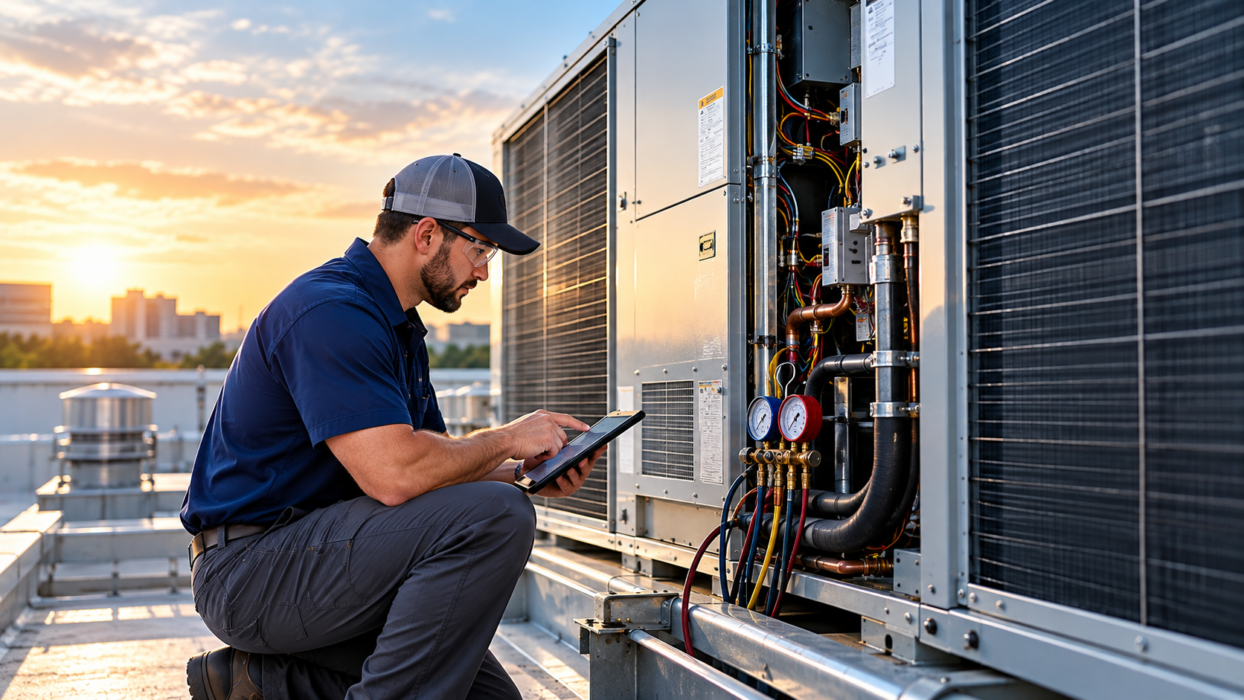
5 Warning Signs Your Commercial HVAC System Needs Professional Service
-
By lacklin
- In Facility Managers Featured
How to Identify HVAC Performance Problems Before They Lead to Costly Repairs and Unexpected Downtime A reliable commercial HVAC system is essential for maintaining comfortable indoor temperatures, supporting energy efficiency, and keeping your business operations running smoothly. From retail facilities and office buildings to healthcare properties and industrial environments, heating and cooling equipment plays an important role in everyday facility performance. But commercial HVAC systems don’t always fail without warning. In many cases, equipment begins showing signs of trouble long before a complete breakdown occurs. Changes in temperature, unusual operating sounds, increased energy consumption, and reduced airflow can all indicate that your system needs professional attention. For facility managers and property owners, identifying these warning signs early can make the difference between a manageable service appointment and an expensive emergency repair. At AirConnect, we help businesses across the country maintain dependable HVAC performance through professional maintenance, troubleshooting, repairs, and system improvements. Here are five warning signs that your commercial HVAC equipment may need service. 1. Your Building Has Uneven Heating or Cooling Does one section of your facility feel noticeably warmer or cooler than another? Are employees or tenants frequently adjusting thermostats to stay comfortable? Persistent temperature inconsistencies can indicate that your HVAC system is struggling to distribute conditioned air effectively. Several factors may contribute to uneven heating and cooling, including: Poorly balanced air distribution systems Malfunctioning thermostats or temperature sensors Restricted ductwork or blocked vents Dirty filters or coils Improperly functioning zoning controls HVAC equipment that is no longer meeting building demands Why You Shouldn’t Ignore It Temperature fluctuations can create uncomfortable working environments and place additional demands on your heating and cooling equipment. When a system runs longer or harder to maintain desired temperatures, energy consumption and component wear may increase. AirConnect’s Recommendation: Track recurring hot and cold spots throughout your building. A professional HVAC evaluation can help determine whether airflow adjustments, control system repairs, or equipment improvements are needed to restore consistent comfort. 2. Your HVAC Equipment Is Making Strange Noises Commercial HVAC systems produce normal operational sounds, but new or excessive noises may indicate developing mechanical problems. If your system suddenly begins rattling, squealing, grinding, or banging, it’s important to investigate the cause. Some common HVAC noises and their potential causes include: Rattling: Loose panels, hardware, or internal components Squealing: Worn belts, bearings, or motor-related problems Grinding: Mechanical wear or failing motor components Banging: Loose or damaged parts within the equipment Hissing: Possible air leakage or refrigerant-related issues Why You Shouldn’t Ignore It Unusual sounds can be early indicators of mechanical deterioration. Allowing equipment to continue operating with damaged components may result in additional wear, more extensive repairs, or unexpected system failure. AirConnect’s Recommendation: Report unfamiliar noises as soon as they occur. Scheduling a professional inspection can help identify the source of the sound and prevent minor mechanical problems from becoming larger maintenance issues. 3. Your Facility’s Energy Costs Keep Increasing If your monthly energy expenses are climbing without a clear explanation, your HVAC system could be contributing to the problem. Commercial heating and cooling equipment can account for a substantial portion of a building’s energy usage. When system components become dirty, worn, or inefficient, equipment may consume additional energy to maintain normal operating conditions. Potential HVAC-related causes of rising utility bills include: Clogged air filters Dirty evaporator or condenser coils Inefficient or aging equipment Improper thermostat settings Refrigerant system performance issues Malfunctioning controls or sensors Excessive equipment runtime Why You Shouldn’t Ignore It Even modest reductions in HVAC efficiency can contribute to higher operating expenses over time. Without proper maintenance, these inefficiencies may continue to worsen. AirConnect’s Recommendation: Regularly review energy consumption trends and compare utility costs with previous periods, accounting for changes in weather, occupancy, and operating schedules. A professional HVAC maintenance assessment can help uncover performance issues and identify opportunities to improve efficiency. 4. Airflow Is Weak or Inconsistent When your HVAC system is functioning properly, conditioned air should be distributed effectively throughout your commercial space. If certain rooms receive little airflow, vents seem unusually weak, or indoor temperatures take longer to stabilize, your system may be experiencing airflow restrictions. Common causes include: Dirty or improperly installed air filters Blocked supply or return vents Damaged or leaking ductwork Faulty blower motors or fans Improperly adjusted dampers Ventilation system malfunctions Why You Shouldn’t Ignore It Poor airflow can negatively affect indoor comfort, ventilation, and overall HVAC performance. Restricted airflow may also cause equipment to operate outside its intended conditions, potentially increasing wear and reducing efficiency. For businesses with specific ventilation or temperature requirements, maintaining proper airflow is especially important. AirConnect’s Recommendation: Make airflow inspections part of your facility’s preventive maintenance routine. Professional technicians can evaluate filters, fans, ductwork, and air distribution components to identify restrictions and restore proper operation. 5. You’re Scheduling HVAC Repairs More Frequently Every commercial HVAC system requires occasional service. However, repeated breakdowns, recurring performance issues, and increasingly frequent repair calls may indicate that your equipment needs more than a temporary fix. Warning signs of ongoing system trouble include: Repeated service calls for similar problems Frequent equipment shutdowns Short cycling or irregular operating patterns Difficulty maintaining thermostat settings Increasing repair expenses Equipment that struggles during peak heating or cooling seasons Why You Shouldn’t Ignore It Frequent HVAC failures can disrupt business operations, increase maintenance costs, and create uncertainty for facility managers. As equipment ages, the cost of continued repairs may eventually outweigh the benefits of maintaining an outdated system. AirConnect’s Recommendation: Evaluate your equipment’s age, repair history, energy performance, and overall condition. A professional HVAC assessment can help determine whether repairs, retrofits, or replacement options make the most financial and operational sense. How Preventive HVAC Maintenance Helps Protect Your Business Recognizing HVAC warning signs is an important part of facility management, but preventing problems before they occur is even better. A structured commercial HVAC preventive maintenance program helps identify developing issues, maintain system efficiency, and reduce the risk of unexpected equipment failures. Depending on your equipment and facility requirements, routine
Read More
Load Capacity and Energy Requirements: What the Data Says Right Now
-
- In Data Centers
If you are laying the groundwork for a data center, the design assumptions available two years ago are already out of date. Here is what the current published data says about rack density, cooling limits, and power availability, and which of those numbers actually belong in an early planning conversation. Data center planning has always started with a load number. What has changed is how fast that number moves. A facility scoped against the industry average of a few years ago is now being asked to carry several times the heat it was designed around, and the equipment driving that increase is shipping today rather than appearing on a roadmap. The figures below come from published industry reporting through 2026. They are the ones we see cited most often in early planning discussions, along with the caveats that usually get left out. Year Avg. kW per rack Change 2021 7 kW Baseline 2023 8.5 kW Gradual 2024 12 kW Accelerating 2025 16 kW Accelerating 2026 27 kW Up ~69% in one year Source: AFCOM, State of the Data Center Report 2026. Figures are blended across a membership base still weighted toward traditional enterprise facilities. 01 — The baseline nearly doubled in a single year Average rack density went from 16 kW in 2025 to 27 kW in 2026. For context, the same survey recorded 7 kW in 2021, meaning the average has roughly quadrupled in five years, with the sharpest move happening in the last twelve months. AFCOM reports that 69% of respondents expect density to keep climbing over the next one to three years and say they are already taking steps to support it. A single-year jump of that size is not a trend line you can extrapolate comfortably, and it is not something a design based on 2023 assumptions absorbs quietly. 02 — The market has split, so the average is misleading The important caveat on any average density figure is that it now describes two different markets wearing one name. A conventional colocation floor still runs largely in the 5 to 15 kW range per cabinet. A purpose-built AI hall next door can run at 130 kW. AI training racks in service today are commonly cited between 40 and 132 kW, and next-generation GPU platforms are being specified well beyond that. Reported industry figures also note that only about one in five operators consider themselves prepared to support the 50 to 70 kW racks already common in AI deployments. The practical takeaway for planning: an average is only useful once you know which population it describes, and whether it measures installed racks or design capacity. Those are two very different numbers on the same drawing set. 03 — Air cooling has a physical ceiling, and it is in sight This is the number that matters most to the mechanical scope. Published analysis puts the practical limit of air cooling somewhere between roughly 20 and 40 kW per rack, depending on who is measuring and how the hall is configured. Above that band, the air volume and velocity needed to carry the heat out of a standard rack form factor exceeds what conventional airflow systems can deliver. Note where the 2026 average of 27 kW sits relative to that band. The industry average is now inside the transition zone, not comfortably below it. That is why cooling has stopped being a downstream facilities decision. Crossing the threshold changes the mechanical load, the water strategy, the redundancy topology, and the total site kilowatts that generation and distribution have to serve. In practice most new high-density halls end up mixed: liquid infrastructure for the dense zones, air retained for the lower-density ones in the same building. 04 — Power, not floor space, is the binding constraint Global data center electricity demand is projected at roughly 132 GW in 2026, climbing toward 290 GW by 2030. The International Energy Agency projects global data center electricity consumption roughly doubling from about 485 TWh in 2025 to around 950 TWh by 2030, close to 3% of world electricity demand, with accelerated servers growing far faster than conventional ones. The nearer-term problem is interconnection. In some major U.S. markets, securing new utility capacity now takes three to four years, which can be longer than constructing the facility itself. Time to power has become as decisive as time to build. That reframes the mechanical question. When the electrical allocation is fixed and hard to grow, every kilowatt the cooling system consumes is a kilowatt unavailable to compute. Efficiency stops being an operating-cost line item and becomes a capacity question. 05 — What this changes about early planning Taken together, the current numbers push three questions much earlier in the process than they used to sit. Which density are you designing to, and for what year? A design-capacity figure and an installed-average figure are not interchangeable. Committing to one without naming the year it describes is how a hall ends up undersized at commissioning. Where is your air-to-liquid boundary? Not whether liquid cooling arrives, but which zones cross the threshold, when, and what has to be in place structurally and hydronically for that to be a staged change rather than a rebuild. What is the fixed electrical envelope? If interconnection sets a ceiling years before the racks arrive, cooling efficiency directly determines how much compute fits inside it. None of that is answered by picking equipment. It is answered by settling load and energy assumptions before the drawings are locked, and writing down which published figure each one came from. THE TAKEAWAY The 2026 average sits inside the band where air cooling stops being sufficient, and the frontier is already several times past it. Any load figure carried into design should name the year and the population it came from. Why we track this AirConnect is the national HVAC company inside Connect Service Solutions. Our work is commercial and industrial mechanical service across the country, and this sector is where the assumptions behind that work
Read More
Commercial HVAC Maintenance in Summer: How AirConnect Helps Reduce Energy Costs and Prevent Downtime
-
- In Cost Savings Seasonal Maintenance
As summer temperatures rise, commercial facilities face a familiar challenge: keeping buildings cool, efficient, and comfortable without driving energy costs through the roof. Waiting until the first major heatwave to test your HVAC system can lead to equipment failures, tenant complaints, costly emergency repairs, and unnecessary strain on aging infrastructure. The key to avoiding mid-summer breakdowns is proactive preparation. In this guide, we’ll cover: Essential commercial HVAC maintenance steps before summer Common cooling issues and troubleshooting tips Retrofit strategies for older systems How AirConnect helps reduce energy costs through smart HVAC monitoring and automation By taking a strategic approach now, facility managers and building owners can improve system reliability, extend equipment lifespan, and significantly reduce operating expenses during peak cooling season. The Ultimate Commercial HVAC Summer Maintenance Checklist A successful summer HVAC strategy starts with preventive maintenance. Commercial systems require far more than a simple filter replacement—every major component should be inspected, cleaned, and optimized before temperatures climb. Clean Condenser Coils Outdoor condenser units collect dirt, pollen, leaves, and debris throughout the year. Dirty coils reduce heat transfer efficiency, forcing compressors to work harder and consume more energy. Professional coil cleaning restores cooling performance and helps prevent excessive wear on compressors during high-demand summer conditions. Improve Airflow and Ventilation Poor airflow can make a building feel warmer even when HVAC equipment is operating correctly. Before summer: Replace dirty MERV or HEPA filters Inspect VAV boxes for proper operation Verify supply and return vents are unobstructed Check fan performance and airflow balance Optimizing airflow improves occupant comfort while reducing unnecessary system strain. Inspect Condensate Drains and Humidity Controls Commercial HVAC systems remove significant moisture from indoor air during summer months. Clogged condensate lines can lead to water damage, microbial growth, and reduced indoor air quality. Preventive maintenance should include: Clearing drain lines and P-traps Cleaning drain pans Treating pans with anti-microbial tablets Verifying humidity controls are functioning properly Check Refrigerant Levels Low refrigerant levels reduce cooling capacity and increase operating costs. Systems with leaks often run continuously while struggling to maintain temperature setpoints. Technicians should perform: Refrigerant pressure testing Leak detection inspections UV dye or electronic leak diagnostics Proper refrigerant charging Early leak detection helps prevent compressor damage and maintains system efficiency during peak summer demand. Common Commercial HVAC Problems During Summer Even well-maintained systems can experience issues during extreme heat. Identifying problems early can help prevent larger failures and expensive downtime. Why Is My HVAC System Blowing Warm Air? Warm air complaints are among the most common summer HVAC issues. Potential causes include: Frozen evaporator coils caused by restricted airflow Low refrigerant levels Tripped breakers or blown fuses Thermostat calibration problems Compressor or fan motor failures Training maintenance staff to recognize early warning signs—such as short cycling, unusual noises, or inconsistent cooling—can prevent small problems from escalating into major repairs. HVAC Retrofits vs. Full System Replacement As HVAC systems age, maintenance alone may no longer deliver optimal performance. For systems approaching 15–20 years old, facility managers should evaluate whether retrofitting existing equipment makes more financial sense than full replacement. High-Impact HVAC Retrofit Options Popular retrofit upgrades include: Variable Frequency Drives (VFDs) Advanced economizers Demand-controlled ventilation (DCV) Smart thermostats and building automation controls High-efficiency motors and fan systems These upgrades can dramatically reduce energy consumption while extending the usable life of existing infrastructure. In many cases, retrofit projects pay for themselves through utility savings and lower maintenance costs within just a few years. How AirConnect Improves HVAC Performance and Energy Efficiency Traditional HVAC maintenance schedules rely on periodic inspections—typically once in spring and once in fall. While helpful, this approach often misses developing issues between service visits. AirConnect changes that by delivering continuous, real-time HVAC monitoring and intelligent system optimization. Predictive HVAC Monitoring AirConnect uses IoT sensors and cloud-based analytics to monitor HVAC performance 24/7. Instead of reacting to breakdowns after they happen, facility teams receive predictive alerts when equipment performance begins to decline. This allows technicians to: Detect failing components early Prevent costly downtime Reduce emergency service calls Improve equipment reliability Extend asset lifespan Smart Energy Management AirConnect also helps facilities reduce peak energy demand during the hottest times of the day. Using occupancy trends, weather forecasting, and system analytics, AirConnect can: Pre-cool buildings during lower-cost energy periods Reduce unnecessary runtime Optimize fan speeds and airflow Lower demand charges from utility providers The result is improved occupant comfort with lower operating costs. Centralized Visibility Across Facilities For organizations managing multiple properties, AirConnect provides centralized visibility into HVAC performance across an entire portfolio. Facility managers can monitor: Energy consumption Equipment health Runtime efficiency Alarm conditions Maintenance needs This data-driven approach allows teams to make smarter operational decisions while reducing long-term maintenance expenses. Partnering Preventive Maintenance with Smart Technology Even the most advanced HVAC technology still requires skilled service and hands-on expertise. Combining preventive maintenance agreements with AirConnect’s predictive monitoring creates a proactive strategy that helps facilities stay ahead of costly failures. When maintenance teams arrive on-site with real-time system data and performance alerts already in hand, diagnostics become faster, repairs become more targeted, and downtime is minimized. Prepare Your Facility Before Summer Heat Arrives Summer HVAC failures are expensive, disruptive, and often preventable. By investing in preventive maintenance, strategic retrofits, and intelligent monitoring technology, commercial facilities can reduce energy costs, improve occupant comfort, and avoid unexpected downtime during peak cooling season. AirConnect helps facility managers move beyond reactive maintenance with real-time HVAC visibility, predictive analytics, and smart energy optimization designed specifically for commercial environments. Ready to Reduce HVAC Energy Costs and Improve System Reliability? Don’t wait until the next heatwave exposes hidden HVAC problems. Contact AirConnect today to schedule a commercial HVAC assessment and discover how predictive monitoring, smart controls, and energy optimization can help your facility: Reduce operating costs Prevent unexpected breakdowns Extend equipment lifespan Improve building comfort Gain real-time visibility into HVAC performance Start building a smarter, more efficient HVAC strategy before summer demand peaks. Call us at (877) 942-5613 Or email info@airconnectusa.com
Read More