
Commercial HVAC Maintenance in Summer: How AirConnect Helps Reduce Energy Costs and Prevent Downtime
-
By lacklin
- In Cost Savings Featured Seasonal Maintenance
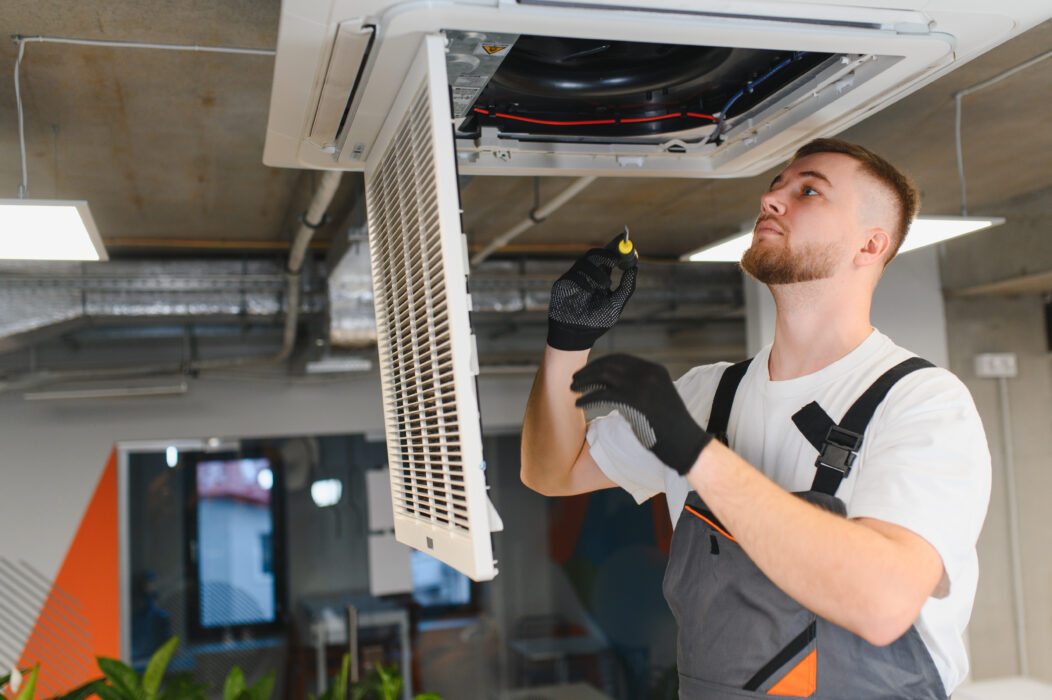
As summer temperatures rise, commercial facilities face a familiar challenge: keeping buildings cool, efficient, and comfortable without driving energy costs through the roof. Waiting until the first major heatwave to test your HVAC system can lead to equipment failures, tenant complaints, costly emergency repairs, and unnecessary strain on aging infrastructure. The key to avoiding mid-summer breakdowns is proactive preparation. In this guide, we’ll cover: Essential commercial HVAC maintenance steps before summer Common cooling issues and troubleshooting tips Retrofit strategies for older systems How AirConnect helps reduce energy costs through smart HVAC monitoring and automation By taking a strategic approach now, facility managers and building owners can improve system reliability, extend equipment lifespan, and significantly reduce operating expenses during peak cooling season. The Ultimate Commercial HVAC Summer Maintenance Checklist A successful summer HVAC strategy starts with preventive maintenance. Commercial systems require far more than a simple filter replacement—every major component should be inspected, cleaned, and optimized before temperatures climb. Clean Condenser Coils Outdoor condenser units collect dirt, pollen, leaves, and debris throughout the year. Dirty coils reduce heat transfer efficiency, forcing compressors to work harder and consume more energy. Professional coil cleaning restores cooling performance and helps prevent excessive wear on compressors during high-demand summer conditions. Improve Airflow and Ventilation Poor airflow can make a building feel warmer even when HVAC equipment is operating correctly. Before summer: Replace dirty MERV or HEPA filters Inspect VAV boxes for proper operation Verify supply and return vents are unobstructed Check fan performance and airflow balance Optimizing airflow improves occupant comfort while reducing unnecessary system strain. Inspect Condensate Drains and Humidity Controls Commercial HVAC systems remove significant moisture from indoor air during summer months. Clogged condensate lines can lead to water damage, microbial growth, and reduced indoor air quality. Preventive maintenance should include: Clearing drain lines and P-traps Cleaning drain pans Treating pans with anti-microbial tablets Verifying humidity controls are functioning properly Check Refrigerant Levels Low refrigerant levels reduce cooling capacity and increase operating costs. Systems with leaks often run continuously while struggling to maintain temperature setpoints. Technicians should perform: Refrigerant pressure testing Leak detection inspections UV dye or electronic leak diagnostics Proper refrigerant charging Early leak detection helps prevent compressor damage and maintains system efficiency during peak summer demand. Common Commercial HVAC Problems During Summer Even well-maintained systems can experience issues during extreme heat. Identifying problems early can help prevent larger failures and expensive downtime. Why Is My HVAC System Blowing Warm Air? Warm air complaints are among the most common summer HVAC issues. Potential causes include: Frozen evaporator coils caused by restricted airflow Low refrigerant levels Tripped breakers or blown fuses Thermostat calibration problems Compressor or fan motor failures Training maintenance staff to recognize early warning signs—such as short cycling, unusual noises, or inconsistent cooling—can prevent small problems from escalating into major repairs. HVAC Retrofits vs. Full System Replacement As HVAC systems age, maintenance alone may no longer deliver optimal performance. For systems approaching 15–20 years old, facility managers should evaluate whether retrofitting existing equipment makes more financial sense than full replacement. High-Impact HVAC Retrofit Options Popular retrofit upgrades include: Variable Frequency Drives (VFDs) Advanced economizers Demand-controlled ventilation (DCV) Smart thermostats and building automation controls High-efficiency motors and fan systems These upgrades can dramatically reduce energy consumption while extending the usable life of existing infrastructure. In many cases, retrofit projects pay for themselves through utility savings and lower maintenance costs within just a few years. How AirConnect Improves HVAC Performance and Energy Efficiency Traditional HVAC maintenance schedules rely on periodic inspections—typically once in spring and once in fall. While helpful, this approach often misses developing issues between service visits. AirConnect changes that by delivering continuous, real-time HVAC monitoring and intelligent system optimization. Predictive HVAC Monitoring AirConnect uses IoT sensors and cloud-based analytics to monitor HVAC performance 24/7. Instead of reacting to breakdowns after they happen, facility teams receive predictive alerts when equipment performance begins to decline. This allows technicians to: Detect failing components early Prevent costly downtime Reduce emergency service calls Improve equipment reliability Extend asset lifespan Smart Energy Management AirConnect also helps facilities reduce peak energy demand during the hottest times of the day. Using occupancy trends, weather forecasting, and system analytics, AirConnect can: Pre-cool buildings during lower-cost energy periods Reduce unnecessary runtime Optimize fan speeds and airflow Lower demand charges from utility providers The result is improved occupant comfort with lower operating costs. Centralized Visibility Across Facilities For organizations managing multiple properties, AirConnect provides centralized visibility into HVAC performance across an entire portfolio. Facility managers can monitor: Energy consumption Equipment health Runtime efficiency Alarm conditions Maintenance needs This data-driven approach allows teams to make smarter operational decisions while reducing long-term maintenance expenses. Partnering Preventive Maintenance with Smart Technology Even the most advanced HVAC technology still requires skilled service and hands-on expertise. Combining preventive maintenance agreements with AirConnect’s predictive monitoring creates a proactive strategy that helps facilities stay ahead of costly failures. When maintenance teams arrive on-site with real-time system data and performance alerts already in hand, diagnostics become faster, repairs become more targeted, and downtime is minimized. Prepare Your Facility Before Summer Heat Arrives Summer HVAC failures are expensive, disruptive, and often preventable. By investing in preventive maintenance, strategic retrofits, and intelligent monitoring technology, commercial facilities can reduce energy costs, improve occupant comfort, and avoid unexpected downtime during peak cooling season. AirConnect helps facility managers move beyond reactive maintenance with real-time HVAC visibility, predictive analytics, and smart energy optimization designed specifically for commercial environments. Ready to Reduce HVAC Energy Costs and Improve System Reliability? Don’t wait until the next heatwave exposes hidden HVAC problems. Contact AirConnect today to schedule a commercial HVAC assessment and discover how predictive monitoring, smart controls, and energy optimization can help your facility: Reduce operating costs Prevent unexpected breakdowns Extend equipment lifespan Improve building comfort Gain real-time visibility into HVAC performance Start building a smarter, more efficient HVAC strategy before summer demand peaks. Call us at (877) 942-5613 Or email info@airconnectusa.com
Read More