
Commercial HVAC Maintenance in Summer: How AirConnect Helps Reduce Energy Costs and Prevent Downtime
-
By lacklin
- In Cost Savings Featured Seasonal Maintenance
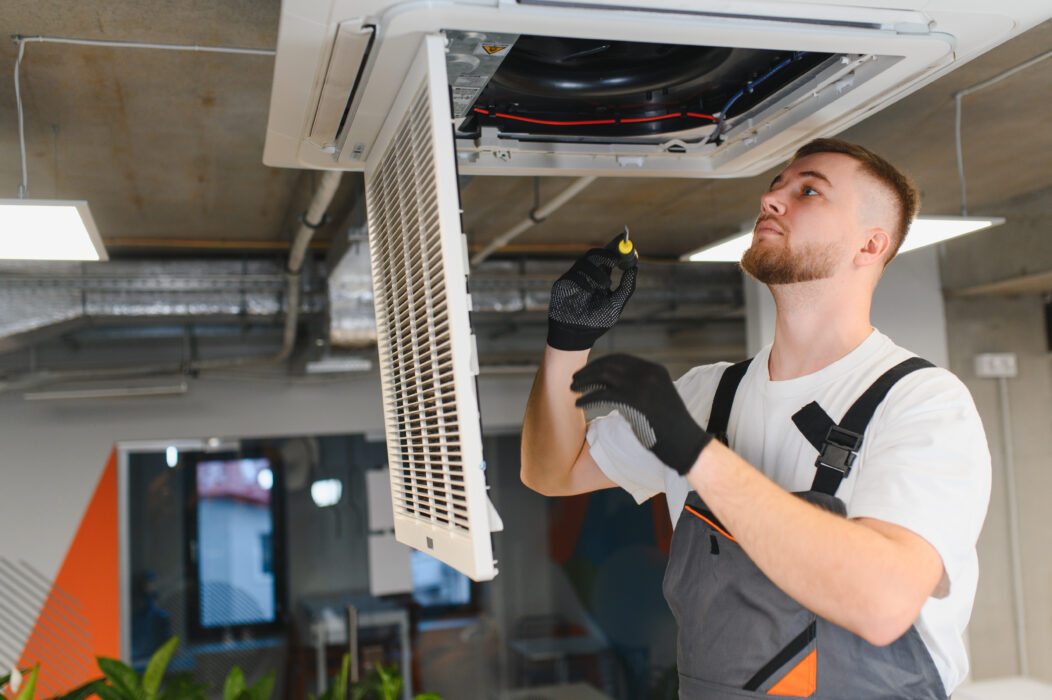
As summer temperatures rise, commercial facilities face a familiar challenge: keeping buildings cool, efficient, and comfortable without driving energy costs through the roof. Waiting until the first major heatwave to test your HVAC system can lead to equipment failures, tenant complaints, costly emergency repairs, and unnecessary strain on aging infrastructure. The key to avoiding mid-summer breakdowns is proactive preparation. In this guide, we’ll cover: Essential commercial HVAC maintenance steps before summer Common cooling issues and troubleshooting tips Retrofit strategies for older systems How AirConnect helps reduce energy costs through smart HVAC monitoring and automation By taking a strategic approach now, facility managers and building owners can improve system reliability, extend equipment lifespan, and significantly reduce operating expenses during peak cooling season. The Ultimate Commercial HVAC Summer Maintenance Checklist A successful summer HVAC strategy starts with preventive maintenance. Commercial systems require far more than a simple filter replacement—every major component should be inspected, cleaned, and optimized before temperatures climb. Clean Condenser Coils Outdoor condenser units collect dirt, pollen, leaves, and debris throughout the year. Dirty coils reduce heat transfer efficiency, forcing compressors to work harder and consume more energy. Professional coil cleaning restores cooling performance and helps prevent excessive wear on compressors during high-demand summer conditions. Improve Airflow and Ventilation Poor airflow can make a building feel warmer even when HVAC equipment is operating correctly. Before summer: Replace dirty MERV or HEPA filters Inspect VAV boxes for proper operation Verify supply and return vents are unobstructed Check fan performance and airflow balance Optimizing airflow improves occupant comfort while reducing unnecessary system strain. Inspect Condensate Drains and Humidity Controls Commercial HVAC systems remove significant moisture from indoor air during summer months. Clogged condensate lines can lead to water damage, microbial growth, and reduced indoor air quality. Preventive maintenance should include: Clearing drain lines and P-traps Cleaning drain pans Treating pans with anti-microbial tablets Verifying humidity controls are functioning properly Check Refrigerant Levels Low refrigerant levels reduce cooling capacity and increase operating costs. Systems with leaks often run continuously while struggling to maintain temperature setpoints. Technicians should perform: Refrigerant pressure testing Leak detection inspections UV dye or electronic leak diagnostics Proper refrigerant charging Early leak detection helps prevent compressor damage and maintains system efficiency during peak summer demand. Common Commercial HVAC Problems During Summer Even well-maintained systems can experience issues during extreme heat. Identifying problems early can help prevent larger failures and expensive downtime. Why Is My HVAC System Blowing Warm Air? Warm air complaints are among the most common summer HVAC issues. Potential causes include: Frozen evaporator coils caused by restricted airflow Low refrigerant levels Tripped breakers or blown fuses Thermostat calibration problems Compressor or fan motor failures Training maintenance staff to recognize early warning signs—such as short cycling, unusual noises, or inconsistent cooling—can prevent small problems from escalating into major repairs. HVAC Retrofits vs. Full System Replacement As HVAC systems age, maintenance alone may no longer deliver optimal performance. For systems approaching 15–20 years old, facility managers should evaluate whether retrofitting existing equipment makes more financial sense than full replacement. High-Impact HVAC Retrofit Options Popular retrofit upgrades include: Variable Frequency Drives (VFDs) Advanced economizers Demand-controlled ventilation (DCV) Smart thermostats and building automation controls High-efficiency motors and fan systems These upgrades can dramatically reduce energy consumption while extending the usable life of existing infrastructure. In many cases, retrofit projects pay for themselves through utility savings and lower maintenance costs within just a few years. How AirConnect Improves HVAC Performance and Energy Efficiency Traditional HVAC maintenance schedules rely on periodic inspections—typically once in spring and once in fall. While helpful, this approach often misses developing issues between service visits. AirConnect changes that by delivering continuous, real-time HVAC monitoring and intelligent system optimization. Predictive HVAC Monitoring AirConnect uses IoT sensors and cloud-based analytics to monitor HVAC performance 24/7. Instead of reacting to breakdowns after they happen, facility teams receive predictive alerts when equipment performance begins to decline. This allows technicians to: Detect failing components early Prevent costly downtime Reduce emergency service calls Improve equipment reliability Extend asset lifespan Smart Energy Management AirConnect also helps facilities reduce peak energy demand during the hottest times of the day. Using occupancy trends, weather forecasting, and system analytics, AirConnect can: Pre-cool buildings during lower-cost energy periods Reduce unnecessary runtime Optimize fan speeds and airflow Lower demand charges from utility providers The result is improved occupant comfort with lower operating costs. Centralized Visibility Across Facilities For organizations managing multiple properties, AirConnect provides centralized visibility into HVAC performance across an entire portfolio. Facility managers can monitor: Energy consumption Equipment health Runtime efficiency Alarm conditions Maintenance needs This data-driven approach allows teams to make smarter operational decisions while reducing long-term maintenance expenses. Partnering Preventive Maintenance with Smart Technology Even the most advanced HVAC technology still requires skilled service and hands-on expertise. Combining preventive maintenance agreements with AirConnect’s predictive monitoring creates a proactive strategy that helps facilities stay ahead of costly failures. When maintenance teams arrive on-site with real-time system data and performance alerts already in hand, diagnostics become faster, repairs become more targeted, and downtime is minimized. Prepare Your Facility Before Summer Heat Arrives Summer HVAC failures are expensive, disruptive, and often preventable. By investing in preventive maintenance, strategic retrofits, and intelligent monitoring technology, commercial facilities can reduce energy costs, improve occupant comfort, and avoid unexpected downtime during peak cooling season. AirConnect helps facility managers move beyond reactive maintenance with real-time HVAC visibility, predictive analytics, and smart energy optimization designed specifically for commercial environments. Ready to Reduce HVAC Energy Costs and Improve System Reliability? Don’t wait until the next heatwave exposes hidden HVAC problems. Contact AirConnect today to schedule a commercial HVAC assessment and discover how predictive monitoring, smart controls, and energy optimization can help your facility: Reduce operating costs Prevent unexpected breakdowns Extend equipment lifespan Improve building comfort Gain real-time visibility into HVAC performance Start building a smarter, more efficient HVAC strategy before summer demand peaks. Call us at (877) 942-5613 Or email info@airconnectusa.com
Read More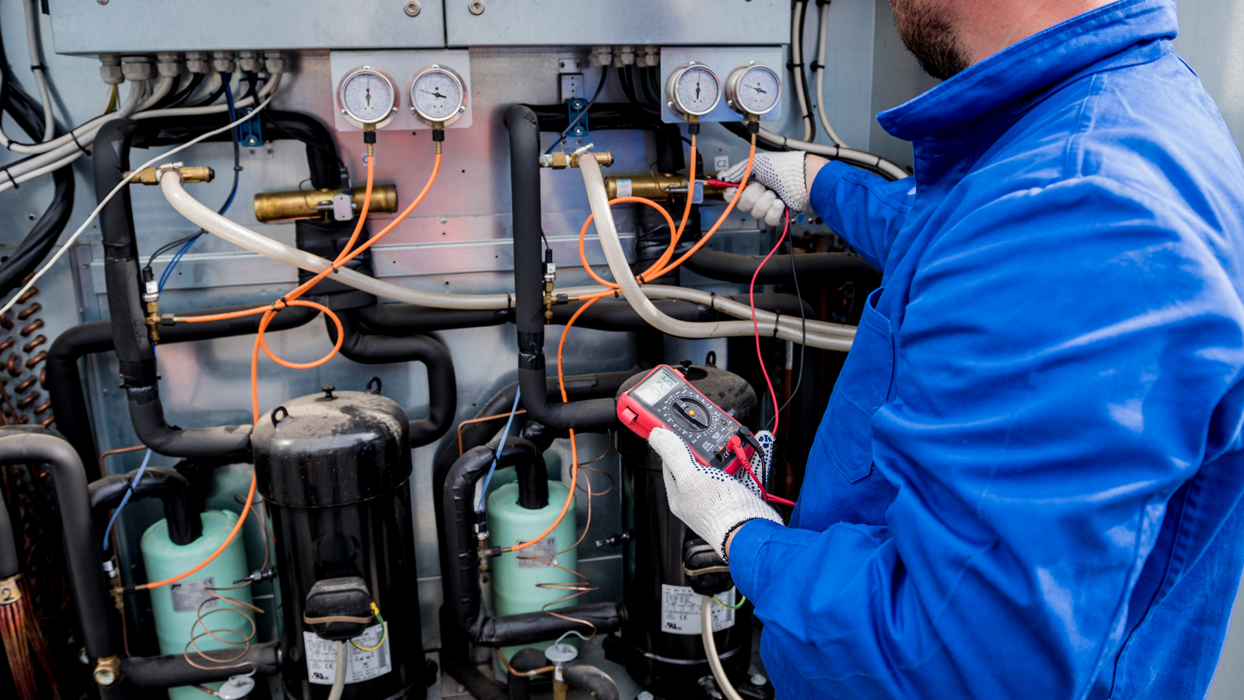
HVAC Maintenance Strategies for Multi-Site Facilities Entering Peak Cooling Season
-
- In Cooling Multi-Site Facilities Seasonal Maintenance
As summer temperatures rise, commercial HVAC systems face increased strain from longer operating hours, higher cooling demands, and aging infrastructure. For facility managers and building owners overseeing multiple properties, even a single HVAC failure can create operational disruptions, tenant complaints, and costly emergency HVAC repair situations. That’s why spring and early summer are critical times for preventative commercial HVAC maintenance. A proactive strategy can help improve energy efficiency, extend equipment lifespan, reduce downtime, and support long-term capital planning across commercial portfolios. Why Peak Cooling Season Creates HVAC Risks Commercial HVAC systems work hardest during summer months, especially in facilities with high occupancy levels or sensitive operational requirements. Common summer HVAC challenges include: Increased energy consumption Equipment strain and overheating Reduced airflow performance Refrigerant issues Emergency system failures For healthcare facilities, schools, retail centers, industrial buildings, and office properties, HVAC performance directly impacts occupant comfort, indoor air quality, and operational continuity. Key Areas Facility Managers Should Inspect Spring HVAC inspections help identify issues before systems operate under full summer demand. Airflow and Filter Performance Restricted airflow forces HVAC systems to work harder and consume more energy. Facility teams should: Replace air filters Inspect ductwork Verify airflow balance Check ventilation performance Poor airflow can also contribute to inconsistent temperatures and indoor air quality concerns. Rooftop Units and Mechanical Components Rooftop systems are constantly exposed to heat, debris, and severe weather conditions. Be sure to inspect: Condenser coils Motors and belts Electrical connections Drainage systems Thermostat calibration Addressing wear-and-tear early can help prevent unexpected failures during heat waves. Refrigerant and Cooling Efficiency Low refrigerant levels reduce system performance and increase operational strain. HVAC technicians should evaluate: Cooling capacity Refrigerant charge levels Leak detection Compressor performance Preventative servicing improves efficiency while helping reduce utility costs. Preventative Maintenance Supports Long-Term Cost Control Routine commercial HVAC maintenance helps organizations reduce reactive spending and improve operational predictability. Key benefits include: Reduced emergency HVAC repair costs Improved energy efficiency Extended equipment lifespan Better occupant comfort More accurate capital forecasting For multi-site facilities, preventative maintenance also helps standardize operational performance across properties. Many organizations are also evaluating HVAC retrofit opportunities to improve efficiency and support sustainability and ESG initiatives. Examples include: Smart thermostats Energy-efficient rooftop units Building automation systems Variable frequency drives (VFDs) These upgrades can help lower energy consumption while improving system reliability. Smart HVAC Technology Is Changing Facility Management Modern commercial HVAC management is becoming increasingly data driven. Building automation systems and predictive maintenance tools allow facility teams to monitor: Energy usage Equipment runtime Temperature fluctuations Humidity levels System performance trends These technologies help identify issues earlier and reduce reactive maintenance. For facilities managing multiple locations, centralized HVAC visibility improves operational consistency and supports better long-term planning. What Facility Managers Should Review Before Summer Commercial HVAC Checklist ✔ Replace air filters and inspect airflow✔ Check refrigerant levels and cooling performance✔ Inspect rooftop units and electrical components✔ Clean coils and drainage systems✔ Verify thermostat and building automation settings✔ Schedule preventative HVAC inspections early✔ Evaluate aging systems for retrofit or HVAC replacement planning✔ Identify opportunities for energy-efficient upgrades Final Thoughts Peak cooling season can place significant stress on commercial HVAC systems, especially across large multi-site portfolios. Without proactive maintenance, small issues can quickly escalate into costly repairs, operational disruptions, and reduced occupant comfort. Preventative commercial HVAC maintenance helps facility managers reduce operational risk, improve energy efficiency, extend equipment lifespan, and support smarter long-term budgeting decisions. AirConnect helps commercial facilities nationwide improve HVAC performance through preventative maintenance, HVAC repair, retrofit planning, and long-term operational support designed to improve reliability and efficiency. Connect with us today to keep your facilities HVAC system operating at peak efficiency! Call us at (877) 942-5613 Or email info@airconnectusa.com
Read More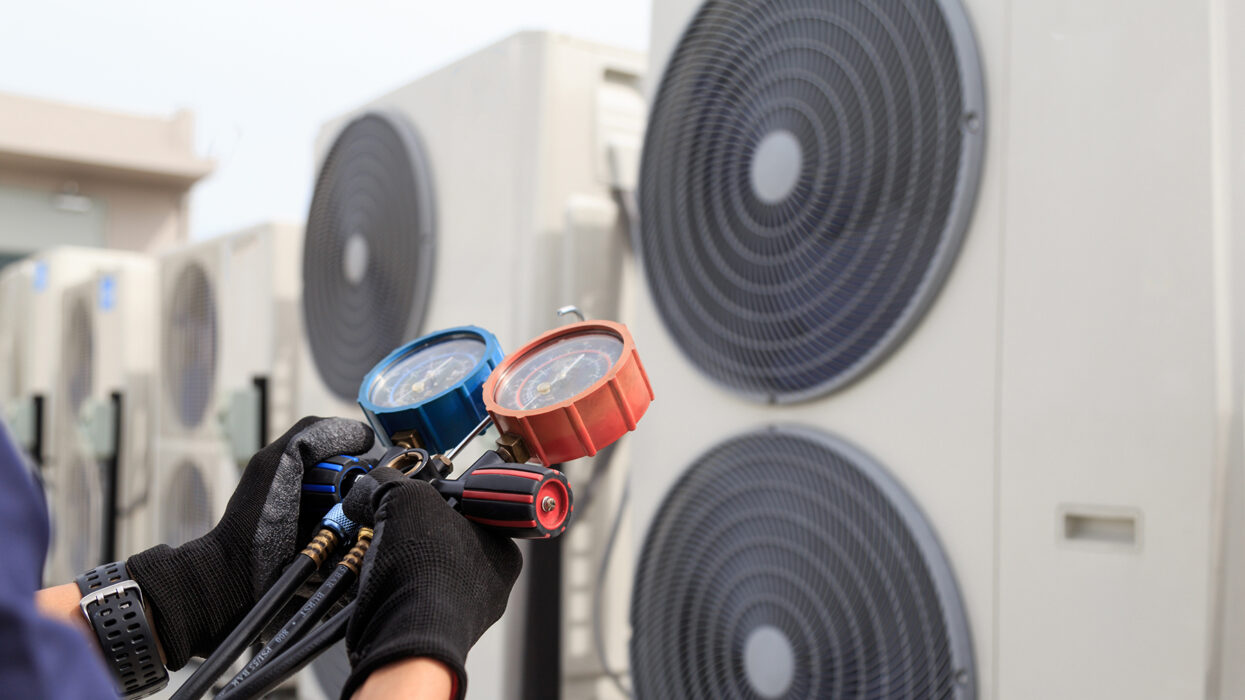
Spring Is in Full Swing: 5 Essential HVAC Considerations for Facility Managers
-
- In Facility Managers Multi-Site Facilities Seasonal Maintenance
Spring is in full swing and your HVAC system is about to take center stage. As temperatures rise and cooling demand increases, your system must be ready to perform efficiently and reliably. After months of winter operation, now is the time for facility managers and building owners to assess system health, address issues, and prepare for peak usage. Below are five essential HVAC considerations to prioritize this spring. 1. Perform a Seasonal System Inspection Winter operation can leave HVAC systems with wear and inefficiencies that go unnoticed until cooling demand spikes. A comprehensive spring inspection should include: Checking system performance and airflow Inspecting coils, motors, and electrical components Identifying signs of wear or potential failure Verifying thermostat accuracy and controls A proactive inspection ensures your system is ready before the first major heatwave hits. 2. Replace Filters and Improve Airflow Clogged or dirty filters restrict airflow, reduce efficiency, and strain your HVAC system, especially as usage increases in spring and summer. Key actions: Replace or clean air filters Inspect ductwork for blockages or leaks Ensure proper air flow throughout the building Improving airflow not only enhances system performance but also supports better indoor air quality for occupants. 3. Clean and Service Coils and Components Over time, dust, debris, and buildup accumulate on coils and internal components, reducing system efficiency and cooling capacity. Spring maintenance should include: Cleaning evaporator and condenser coils Inspecting and tightening electrical connections Lubricating moving parts where needed Routine servicing helps your system run more efficiently and reduces the risk of unexpected breakdowns. 4. Test Cooling Performance Before Peak Demand With warmer weather arriving, now is the time to ensure your system can handle increased demand. Facility managers should: Test cooling output and temperature consistency Check refrigerant levels and system pressures Ensure all zones are cooling properly Identifying and resolving performance issues now prevents emergency service calls during peak summer months. 5. Review Preventative Maintenance Plans and Energy Efficiency Spring is the ideal time to evaluate your HVAC strategy for the year ahead. A strong plan includes: Scheduled preventative maintenance visits Energy efficiency assessments and upgrades Budget forecasting for repairs or system replacement Portfolio-wide consistency across multiple locations Partnering with a national provider like AirConnect ensures reliable service, standardized reporting, and optimized system performance across your facilities. Final Thoughts With spring in full swing, preparing your HVAC system is essential to maintaining comfort, efficiency, and operational continuity. Addressing issues early helps avoid costly downtime and keeps your building running smoothly as temperatures climb. AirConnect delivers expert HVAC services, preventative maintenance programs, and nationwide support—helping facility managers stay ahead of seasonal demands. Don’t wait, reach out to AirConnect today! Call us at (877) 942-5613 Or email info@airconnectusa.com
Read More
How to Lower HVAC Costs in Large Commercial Buildings (Without Major Upgrades)
-
- In Cost Savings
For large commercial buildings, HVAC is often the single largest energy expense. According to the U.S. Department of Energy, heating, cooling, and ventilation account for roughly 40 percent of total energy use in commercial facilities. The good news is that lowering HVAC costs does not always require replacing equipment or investing in a full system overhaul. With the right operational strategies and maintenance approach, building owners and facility managers can reduce energy consumption and extend system life without major capital upgrades. Here are practical, proven ways to lower HVAC costs in large commercial buildings. 1. Optimize Scheduling and Setpoints One of the most common sources of wasted energy is running HVAC systems longer than necessary. Adjust operating schedules Review current run times and align them with actual occupancy. Many buildings still operate on outdated schedules that no longer match staffing levels or tenant hours. Reduce runtime during evenings and weekends Implement holiday scheduling Adjust seasonal startup and shutdown timing Fine-tune temperature setpoints Small changes can make a measurable difference: Raise cooling setpoints by 1 to 2 degrees during summer Lower heating setpoints slightly during winter Avoid overcooling common areas and low-occupancy zones Even minor adjustments can produce noticeable energy savings across a large building footprint. 2. Improve Preventive Maintenance Practices Deferred maintenance is one of the fastest ways to drive up energy costs. Dirty, worn, or poorly calibrated components force systems to work harder and longer. Replace filters consistently Clogged filters restrict airflow and increase fan energy use. Regular filter replacement: Improves airflow Reduces strain on equipment Supports indoor air quality Clean coils and condenser units Dust and debris reduce heat transfer efficiency. Clean coils allow systems to operate at designed performance levels. Check belts, bearings, and motors Loose belts and worn components reduce efficiency and can increase electrical consumption. Routine inspections prevent energy waste and costly breakdowns. A disciplined maintenance plan often produces measurable energy savings without any equipment replacement. 3. Seal and Insulate Ductwork Air leaks in duct systems can waste significant energy, particularly in large facilities with extensive distribution systems. Inspect visible duct connections for leaks Seal joints with appropriate materials Insulate ducts in unconditioned spaces When conditioned air escapes into ceilings or mechanical rooms, the system must run longer to maintain comfort levels. 4. Balance the System Over time, air distribution can become uneven. Some areas receive too much airflow while others receive too little.An HVAC air balance ensures: Proper airflow distribution Reduced hot and cold spots Less simultaneous heating and cooling System balancing improves occupant comfort while reducing unnecessary runtime. 5. Leverage Existing Controls More Effectively Many commercial buildings already have building automation systems or programmable thermostats that are underutilized. Review control sequences Ensure that: Economizers are functioning properly Simultaneous heating and cooling are not occurring Setback schedules are active during unoccupied hours Use occupancy sensors If installed, confirm they are properly calibrated. Adjust zones where occupancy patterns have changed. Often, cost savings come from better use of systems you already have. 6. Reduce Outside Air When Appropriate Ventilation is essential for indoor air quality, but excessive outside air can increase heating and cooling loads. Verify economizer operation Ensure dampers are functioning correctly Adjust ventilation rates to meet, not exceed, code requirements Proper ventilation management lowers conditioning loads without compromising comfort or compliance. 7. Monitor Energy Trends You cannot manage what you do not measure. Track: Monthly utility costs Peak demand charges Runtime hours Maintenance intervals Energy spikes often indicate operational issues such as failing components or schedule drift. Trend analysis allows you to correct problems before they become expensive failures. 8. Train Staff and Tenants Occupant behavior impacts HVAC costs more than many realize. Encourage doors and windows to remain closed in conditioned spaces Prevent space heaters and portable AC units Educate tenants on proper thermostat use Clear communication reduces system strain and unnecessary overrides. The Bottom Line Lowering HVAC costs in large commercial buildings does not always require new chillers, rooftop units, or large capital investments. In many cases, the biggest savings come from: Smarter scheduling Consistent preventive maintenance Proper airflow management Better use of controls These operational improvements reduce energy waste, extend equipment life, and improve occupant comfort. How AirConnect Can Help AirConnect specializes in helping commercial facilities operate more efficiently without unnecessary upgrades. Our team evaluates your current HVAC performance, identifies operational inefficiencies, and implements practical improvements that deliver measurable savings. If your energy costs are rising but major equipment replacement is not in the budget, AirConnect can help you reduce operating expenses while protecting long-term system performance. Contact us today to get started.
Read More