
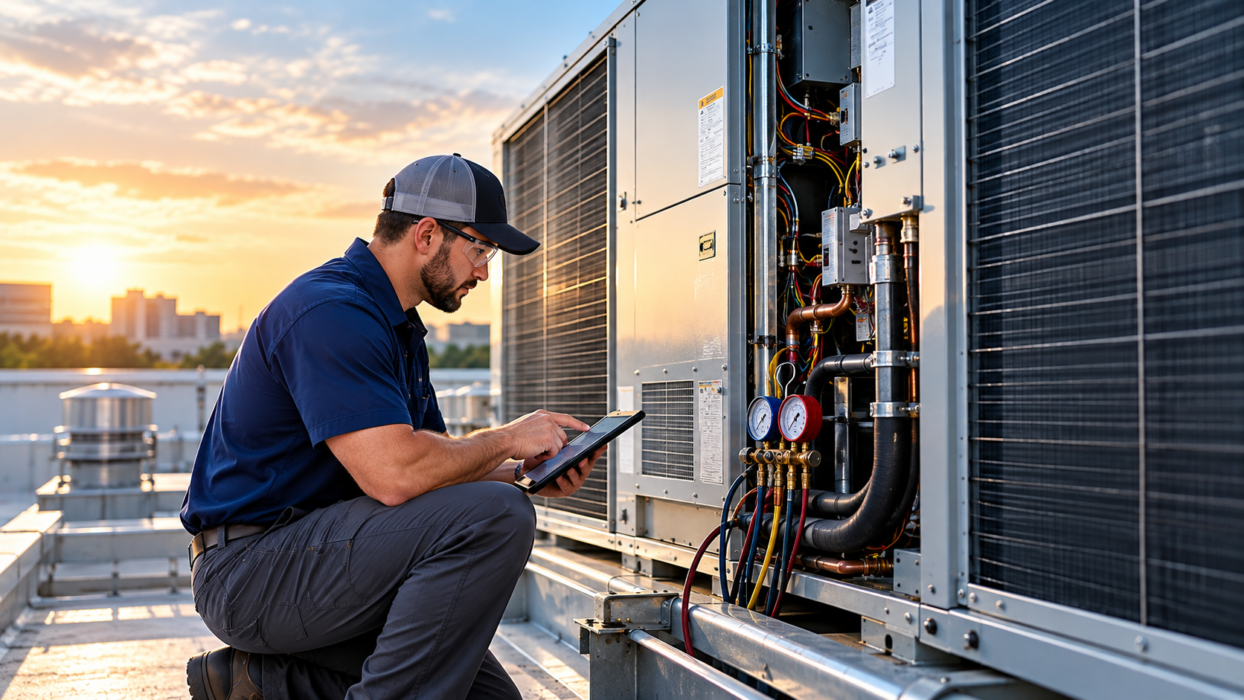
5 Warning Signs Your Commercial HVAC System Needs Professional Service
-
By lacklin
- In Facility Managers Featured
How to Identify HVAC Performance Problems Before They Lead to Costly Repairs and Unexpected Downtime A reliable commercial HVAC system is essential for maintaining comfortable indoor temperatures, supporting energy efficiency, and keeping your business operations running smoothly. From retail facilities and office buildings to healthcare properties and industrial environments, heating and cooling equipment plays an important role in everyday facility performance. But commercial HVAC systems don’t always fail without warning. In many cases, equipment begins showing signs of trouble long before a complete breakdown occurs. Changes in temperature, unusual operating sounds, increased energy consumption, and reduced airflow can all indicate that your system needs professional attention. For facility managers and property owners, identifying these warning signs early can make the difference between a manageable service appointment and an expensive emergency repair. At AirConnect, we help businesses across the country maintain dependable HVAC performance through professional maintenance, troubleshooting, repairs, and system improvements. Here are five warning signs that your commercial HVAC equipment may need service. 1. Your Building Has Uneven Heating or Cooling Does one section of your facility feel noticeably warmer or cooler than another? Are employees or tenants frequently adjusting thermostats to stay comfortable? Persistent temperature inconsistencies can indicate that your HVAC system is struggling to distribute conditioned air effectively. Several factors may contribute to uneven heating and cooling, including: Poorly balanced air distribution systems Malfunctioning thermostats or temperature sensors Restricted ductwork or blocked vents Dirty filters or coils Improperly functioning zoning controls HVAC equipment that is no longer meeting building demands Why You Shouldn’t Ignore It Temperature fluctuations can create uncomfortable working environments and place additional demands on your heating and cooling equipment. When a system runs longer or harder to maintain desired temperatures, energy consumption and component wear may increase. AirConnect’s Recommendation: Track recurring hot and cold spots throughout your building. A professional HVAC evaluation can help determine whether airflow adjustments, control system repairs, or equipment improvements are needed to restore consistent comfort. 2. Your HVAC Equipment Is Making Strange Noises Commercial HVAC systems produce normal operational sounds, but new or excessive noises may indicate developing mechanical problems. If your system suddenly begins rattling, squealing, grinding, or banging, it’s important to investigate the cause. Some common HVAC noises and their potential causes include: Rattling: Loose panels, hardware, or internal components Squealing: Worn belts, bearings, or motor-related problems Grinding: Mechanical wear or failing motor components Banging: Loose or damaged parts within the equipment Hissing: Possible air leakage or refrigerant-related issues Why You Shouldn’t Ignore It Unusual sounds can be early indicators of mechanical deterioration. Allowing equipment to continue operating with damaged components may result in additional wear, more extensive repairs, or unexpected system failure. AirConnect’s Recommendation: Report unfamiliar noises as soon as they occur. Scheduling a professional inspection can help identify the source of the sound and prevent minor mechanical problems from becoming larger maintenance issues. 3. Your Facility’s Energy Costs Keep Increasing If your monthly energy expenses are climbing without a clear explanation, your HVAC system could be contributing to the problem. Commercial heating and cooling equipment can account for a substantial portion of a building’s energy usage. When system components become dirty, worn, or inefficient, equipment may consume additional energy to maintain normal operating conditions. Potential HVAC-related causes of rising utility bills include: Clogged air filters Dirty evaporator or condenser coils Inefficient or aging equipment Improper thermostat settings Refrigerant system performance issues Malfunctioning controls or sensors Excessive equipment runtime Why You Shouldn’t Ignore It Even modest reductions in HVAC efficiency can contribute to higher operating expenses over time. Without proper maintenance, these inefficiencies may continue to worsen. AirConnect’s Recommendation: Regularly review energy consumption trends and compare utility costs with previous periods, accounting for changes in weather, occupancy, and operating schedules. A professional HVAC maintenance assessment can help uncover performance issues and identify opportunities to improve efficiency. 4. Airflow Is Weak or Inconsistent When your HVAC system is functioning properly, conditioned air should be distributed effectively throughout your commercial space. If certain rooms receive little airflow, vents seem unusually weak, or indoor temperatures take longer to stabilize, your system may be experiencing airflow restrictions. Common causes include: Dirty or improperly installed air filters Blocked supply or return vents Damaged or leaking ductwork Faulty blower motors or fans Improperly adjusted dampers Ventilation system malfunctions Why You Shouldn’t Ignore It Poor airflow can negatively affect indoor comfort, ventilation, and overall HVAC performance. Restricted airflow may also cause equipment to operate outside its intended conditions, potentially increasing wear and reducing efficiency. For businesses with specific ventilation or temperature requirements, maintaining proper airflow is especially important. AirConnect’s Recommendation: Make airflow inspections part of your facility’s preventive maintenance routine. Professional technicians can evaluate filters, fans, ductwork, and air distribution components to identify restrictions and restore proper operation. 5. You’re Scheduling HVAC Repairs More Frequently Every commercial HVAC system requires occasional service. However, repeated breakdowns, recurring performance issues, and increasingly frequent repair calls may indicate that your equipment needs more than a temporary fix. Warning signs of ongoing system trouble include: Repeated service calls for similar problems Frequent equipment shutdowns Short cycling or irregular operating patterns Difficulty maintaining thermostat settings Increasing repair expenses Equipment that struggles during peak heating or cooling seasons Why You Shouldn’t Ignore It Frequent HVAC failures can disrupt business operations, increase maintenance costs, and create uncertainty for facility managers. As equipment ages, the cost of continued repairs may eventually outweigh the benefits of maintaining an outdated system. AirConnect’s Recommendation: Evaluate your equipment’s age, repair history, energy performance, and overall condition. A professional HVAC assessment can help determine whether repairs, retrofits, or replacement options make the most financial and operational sense. How Preventive HVAC Maintenance Helps Protect Your Business Recognizing HVAC warning signs is an important part of facility management, but preventing problems before they occur is even better. A structured commercial HVAC preventive maintenance program helps identify developing issues, maintain system efficiency, and reduce the risk of unexpected equipment failures. Depending on your equipment and facility requirements, routine
Read More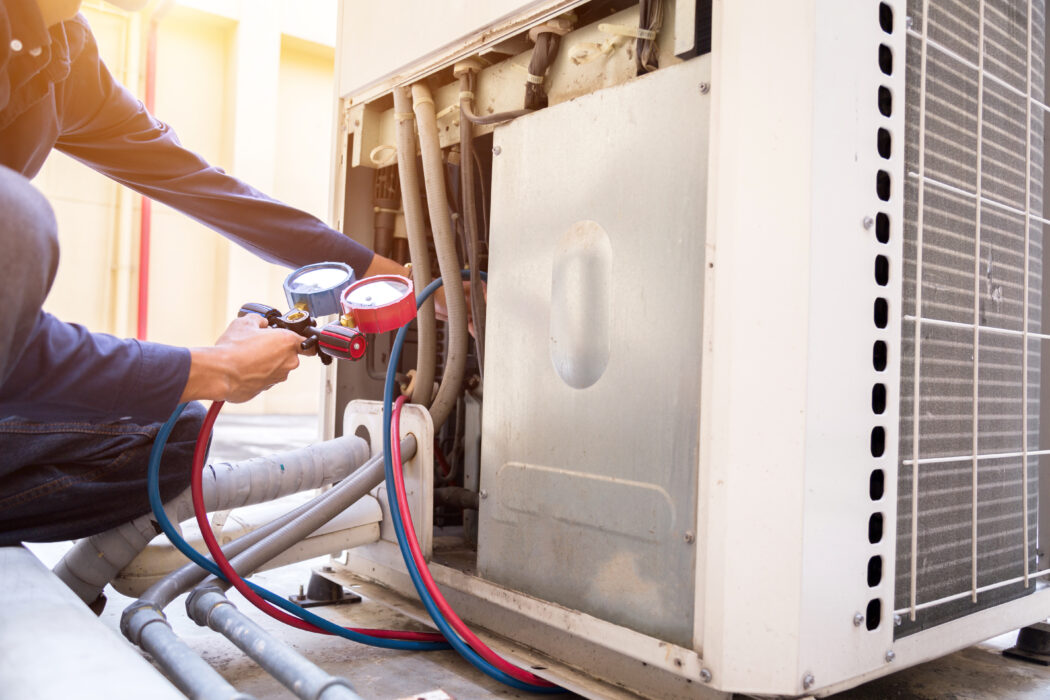
The Hidden Cost of Poor Indoor Air Quality in Commercial Spaces
-
- In IAQ
Indoor air quality (IAQ) often goes unnoticed—until it starts impacting people, productivity, and the bottom line. In commercial buildings, poor IAQ isn’t just an HVAC issue; it’s a business risk that can lead to higher operating costs, increased absenteeism, and long-term system damage. In this article, we break down the hidden costs of poor indoor air quality and share a real-world case study that shows how addressing IAQ can protect both people and performance. Why Indoor Air Quality Matters More Than You Think Commercial buildings rely on HVAC systems to regulate temperature, humidity, and airflow but when those systems are under-maintained or outdated, air quality suffers. Common contributors to poor IAQ include: Dirty or undersized air filters Inadequate outdoor air ventilation Poor humidity control Mold or microbial growth in ductwork or drain pans Worn or malfunctioning HVAC components Over time, these issues quietly drive up costs in ways many facilities don’t immediately connect to air quality. The Real Costs of Poor Indoor Air Quality 1. Reduced Productivity Studies consistently show that poor air quality can affect focus, cognitive performance, and comfort. In office and commercial environments, even a small productivity drop across dozens or hundreds of occupants adds up fast. 2. Increased Absenteeism & Complaints Headaches, respiratory irritation, fatigue, and allergy-like symptoms are often linked to poor IAQ. This leads to: More sick days Higher turnover Increased HR and facilities complaints 3. Higher HVAC Operating Costs Dirty filters, restricted airflow, and improper ventilation force HVAC systems to work harder driving up energy consumption and accelerating wear on equipment. 4. System Damage & Premature Failures Excess humidity, microbial growth, and clogged drain lines don’t just affect air quality—they can cause: Corrosion of HVAC components Water damage Emergency repairs and unplanned downtime 5. Liability & Compliance Risk In certain environments (healthcare, education, manufacturing), poor IAQ can create compliance issues or liability exposure if conditions affect occupant health or safety. Case Study: IAQ Improvements in a Multi-Story Office Building Facility Type: Corporate office buildingLocation: SoutheastPrimary Issue: Rising comfort complaints and unexplained HVAC maintenance costs The Challenge Facility management was receiving frequent complaints about stale air, inconsistent temperatures, and odors especially during peak occupancy. At the same time, HVAC service calls and energy costs were climbing. AirConnect’s Assessment AirConnect performed a comprehensive IAQ and HVAC evaluation that identified: Overloaded and dirty air filters Inadequate ventilation rates for current occupancy levels Improper humidity control during seasonal transitions Condensate drainage issues contributing to microbial growth The Solution AirConnect implemented a targeted improvement plan, including: Filter upgrades and optimized replacement schedules Ventilation adjustments to improve fresh air delivery Drain line cleaning and moisture management Preventive maintenance recommendations to support long-term IAQ The Results Noticeable reduction in comfort complaints Improved airflow consistency across floors Lower strain on HVAC equipment Reduced emergency service calls over the following months Most importantly, building leadership gained confidence that IAQ was no longer a hidden risk. Warning Signs Your Building May Have an IAQ Problem If your facility is experiencing any of the following, IAQ could be the root cause: Frequent occupant complaints despite stable temperatures Musty or lingering odors Rising energy costs without operational changes Visible moisture, mold, or drain pan issues HVAC systems running longer to maintain comfort How AirConnect Helps Improve Indoor Air Quality AirConnect approaches IAQ as part of a total HVAC performance strategy, not a one-off fix. Our commercial services include: IAQ evaluations and airflow assessments Filter and ventilation optimization Humidity control strategies Preventive HVAC maintenance programs Emergency response when IAQ issues escalate Don’t Let IAQ Become a Hidden Cost Poor indoor air quality doesn’t announce itself with a single failure it quietly erodes comfort, productivity, and system reliability over time. If your building has ongoing complaints, rising HVAC costs, or concerns about occupant comfort, AirConnect can help you identify and address IAQ issues before they become bigger problems. Contact us to schedule an IAQ assessment for your facility.
Read More